All products are selected by our Beard Stylish editors. If you buy something through our links as an Amazon Associate we earn from qualifying purchases.
Before spending money on beard oil, balm, wash, or serum, you need to know what these products actually do — and what they don’t. The beard care market is projected to surpass $30 billion globally by 2026, which means shelves are flooded with everything from premium artisan blends to cheap imitations. Cutting through the noise requires understanding the biology of facial hair and the skin beneath it.
Beard hair is fundamentally different from scalp hair. It’s coarser, curlier at the follicle level, and grows from skin that produces sebum at a slower rate relative to surface area. When a beard reaches beyond stubble length, the natural oils your skin produces can no longer moisturise the full hair shaft — leading to the classic trio of problems: beard itch, flaking (often called beardruff), and brittle, wiry texture. This is where grooming products intervene with genuine scientific purpose.
Beard Oil: Is It Worth Buying?
Yes — for beards longer than 1–2 weeks of growth.
Beard oil is the foundational product in any facial hair routine. A quality beard oil typically combines carrier oils (jojoba, argan, sweet almond, grapeseed) with optional essential oils for fragrance and scalp-stimulating properties. The primary function is moisturisation of both the hair shaft and the skin underneath.
The key benefits backed by dermatological science include:
- Reducing transepidermal water loss (TEWL) from facial skin
- Softening coarse beard hair by penetrating the cuticle layer
- Eliminating beard itch caused by dry skin and sharp hair edges rubbing against irritated follicles
- Preventing beardruff, which is seborrheic dermatitis triggered by dryness and fungal overgrowth
Jojoba oil in particular mirrors the molecular structure of human sebum, making it exceptionally well-absorbed and non-comedogenic. For men with sensitive skin or acne-prone complexions, ingredient awareness here matters significantly.
Verdict: Beard oil is worth it if you experience any dryness, itch, or texture issues. For short stubble, a light moisturiser may suffice.
Beard Balm vs. Beard Butter: Do You Need Both?
Beard balm and beard butter are often confused, and most men don’t need both.
Beard balm contains beeswax or shea butter as a base, providing light hold alongside conditioning. It’s best for medium-length beards (2–4 inches) where shaping and frizz control matter. The wax content gives it styling capability that oil alone cannot offer.
Beard butter skips the wax entirely in favour of a heavier conditioning blend. It penetrates deeply, making it ideal for very coarse, thick, or dry beards — particularly useful for men with Afro-textured facial hair, where moisture retention is a constant challenge.
If you want both conditioning and control in one step, balm wins. If your beard is extremely dry and you style separately, butter is the better investment.
Beard Wash and Conditioner: Necessary or Overkill?
Using standard shampoo on your beard is a common mistake with real consequences. Shampoo formulas designed for scalp hair strip the face of natural oils far more aggressively than facial skin can recover from. The result is increased dryness, irritation, and a rougher beard texture over time.
A dedicated beard wash uses gentler surfactants calibrated for facial skin pH. A beard conditioner or co-wash adds softening agents that reduce friction and improve manageability.
For men who wash their beard daily or near-daily, this swap is absolutely worth it. For those who rinse with water and apply oil, a 2–3 times per week dedicated wash routine is the minimum recommended by trichologists for beard health beyond 3 inches.
Beard Growth Products: Separating Fact from Marketing
This is where the market becomes murky. Beard growth serums, supplements, and sprays make bold claims — and most deliver far less than promised.
What actually influences beard growth:
- Genetics and DHT sensitivity — the primary driver, largely unchangeable
- Minoxidil (off-label use) — the only topical ingredient with peer-reviewed evidence supporting follicle stimulation in beard areas
- Biotin and zinc — support existing growth in men who are deficient, but do not accelerate growth in men with normal levels
- Derma rolling (microneedling) — emerging evidence suggests it may improve product absorption and stimulate follicular activity when combined with minoxidil
Most “beard growth oils” containing castor oil, rosemary, or peppermint extracts show limited clinical evidence for follicle regeneration specifically on facial hair. They may improve the appearance of existing hair, but they won’t grow a beard where genetics haven’t allowed one.
Verdict: If you’re looking to fill patches or stimulate dormant follicles, consult a dermatologist before investing in unproven products.
How to Build a Beard Care Routine That’s Actually Worth the Money
A cost-effective beard grooming routine doesn’t require ten products. Based on beard length:
Short beard (stubble to 1 inch): Gentle face wash + light moisturiser or a few drops of beard oil post-shower.
Medium beard (1–3 inches): Beard wash 3x weekly + beard oil daily + beard balm for styling as needed.
Long beard (3+ inches): Beard wash + beard conditioner weekly + beard oil twice daily + beard butter for deep conditioning 2x weekly + boar bristle brush for distribution.
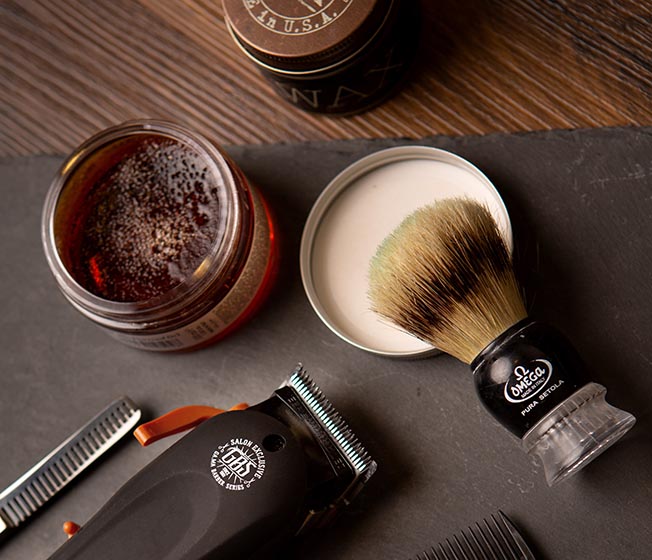
The boar bristle beard brush is one of the most underrated tools in men’s grooming. It distributes natural oils from root to tip, exfoliates the skin beneath, and trains beard hair to grow in a uniform direction — all without any product required.
Frequently Asked Questions
Are beard products worth it for patchy beards? Conditioning products improve the appearance of existing hair and may make patches less noticeable, but they cannot grow hair in follicle-absent areas. Minoxidil applied consistently over 6–12 months has shown measurable improvement in beard density in clinical settings.
How long does it take for beard oil to show results? Most men notice reduced itch and softer texture within 1–2 weeks of daily use. Significant improvement in beard appearance typically takes 4–6 weeks of consistent application.
Can beard products cause breakouts? Yes, if they contain comedogenic ingredients like coconut oil or heavy synthetic fragrances. Men with acne-prone skin should look for non-comedogenic carrier oils such as jojoba, squalane, or hemp seed oil.
Is expensive beard oil better than drugstore options? Not necessarily. Price often reflects fragrance complexity and branding rather than superior base ingredients. Check the carrier oil list — if jojoba or argan appears within the first three ingredients, the formulation is likely effective regardless of price point.
How often should you apply beard oil? Once daily is sufficient for most beard types, applied to a slightly damp beard after showering. Men in dry climates or with very coarse hair may benefit from a second light application in the evening.
Do beard products expire? Yes. Carrier oils oxidise over time, typically within 12–24 months of opening. Rancid oil loses efficacy and can irritate skin. Store products away from direct sunlight and heat to maximise shelf life.

- Hand Crafted in the USA
- Organic Virgin Argan, Golden Jojoba and 6 More Premium Hydrating Oils
- All Natural and Organic Ingredients