All products are selected by our Beard Stylish editors. If you buy something through our links as an Amazon Associate we earn from qualifying purchases.
A dry, coarse beard is uncomfortable for you — and for anyone near you. Beard conditioner is the single most underused grooming product that can transform wiry, unruly facial hair into soft, manageable growth that actually looks intentional.
Whether you’re sporting a three-day stubble or a full-grown beard, conditioning your facial hair is as essential as washing it. Yet most men skip this step entirely, wondering why their beard feels rough, itchy, or looks frizzy by midday. This guide breaks down everything you need to know about beard conditioner — what it is, how it works, key ingredients to look for, and how to use it correctly for best results.
What Is Beard Conditioner?
Beard conditioner is a moisturizing product specifically formulated for facial hair and the skin beneath it. Unlike regular hair conditioner — which is designed for the scalp and thicker scalp-hair follicles — beard conditioner addresses the unique properties of coarser, curlier facial hair and the more sensitive, beard-prone skin underneath.
It typically comes in rinse-out or leave-in formats and works by depositing emollients, humectants, and proteins onto each hair strand. This process smooths the cuticle layer of the hair shaft, reduces friction between strands, and locks in moisture to prevent beard dandruff (also called “beardruff”) and chronic itchiness.
Quick Answer: Beard conditioner is a moisturizing grooming product formulated to hydrate coarse facial hair and the skin beneath it. It softens beard texture, reduces itching, tames frizz, and prevents beard dandruff by smoothing the hair cuticle and replenishing lost moisture.
Key Benefits of Using Beard Conditioner
Regular use of a quality beard conditioner produces tangible results within one to two weeks. Here’s what you can expect:
?Deep hydrationReplenishes moisture lost from washing and environmental exposure.
✦Frizz controlSmooths the cuticle so strands lie flat and reflect light evenly.
❄Itch reliefSoothes the dry skin underneath, the primary cause of beard itch.
▲Reduced breakageIncreases elasticity, so hairs bend rather than snap.
◆Easier stylingSoftened hair is more compliant with combs, brushes, and balms.
○Beardruff preventionConsistent moisture reduces flaking at the skin surface.
Dermatologists note that the skin underneath a beard is especially susceptible to dryness because the hair itself wicks moisture away from the skin surface. Beard conditioner addresses this dual problem — it treats both the hair and the underlying skin simultaneously.
Beard Conditioner vs. Beard Oil vs. Beard Balm
These three products are often confused, but they serve distinct purposes in a beard care routine:
Beard conditioner is primarily a wash-time or post-wash treatment. It penetrates the hair shaft to hydrate from within and is typically rinsed out (or used as a lightweight leave-in). It’s the foundation of beard moisture management.
Beard oil is a leave-in product applied after washing. It works mainly on the surface of the hair and skin, sealing in moisture and adding shine. It doesn’t penetrate as deeply as conditioner but is excellent for daily maintenance and fragrance.
Beard balm combines conditioning agents with waxes and butters to provide both hydration and hold. Think of it as a styling product with conditioning benefits — ideal for longer beards that need shape control throughout the day.
“Think of beard conditioner as the treatment, beard oil as the daily moisturizer, and beard balm as the finishing styler. Each layer serves a purpose — using all three isn’t overkill, it’s a system.”
Key Ingredients to Look for in a Beard Conditioner
Not all beard conditioners are equal. The ingredient list tells you exactly what you’re putting on your face. Here are the most effective ingredients backed by hair care science:
| Ingredient | What it does |
|---|---|
| Argan oil | Rich in vitamin E and fatty acids; deeply moisturizes and adds shine without greasiness |
| Jojoba oil | Closely mimics the skin’s natural sebum; excellent for dry skin underneath the beard |
| Shea butter | Provides intense emollient conditioning; reduces coarseness and frizz |
| Hydrolyzed keratin | Fills gaps in the hair cuticle; strengthens strands and reduces breakage |
| Glycerin | A powerful humectant that draws moisture from the air into the hair shaft |
| Aloe vera | Soothes skin inflammation; helps reduce beard itch and redness |
| Panthenol (pro-vitamin B5) | Improves moisture retention and elasticity in facial hair |
| Tea tree oil | Natural antifungal; helps prevent and treat beard dandruff |
Conversely, avoid beard conditioners that contain sulfates (which strip moisture), parabens (potential skin irritants), and synthetic fragrances if you have sensitive skin. Alcohol-heavy formulas can also dry out facial hair rather than hydrate it.
How to Use Beard Conditioner Correctly
Step-by-step guide
- Wash your beard with a gentle, sulfate-free beard shampoo or cleanser.
- Rinse thoroughly, then gently squeeze out excess water — don’t wring.
- Apply a dime- to quarter-sized amount of beard conditioner, depending on beard length.
- Work it through from root to tip, including the skin underneath.
- Leave on for 2–5 minutes to allow absorption.
- Rinse with cool or lukewarm water (hot water can strip the conditioning agents).
- Pat dry with a clean towel — don’t rub vigorously.
- Follow with beard oil or balm while the beard is still slightly damp.
How often should you condition your beard?
For most men, conditioning two to three times per week is sufficient. If your beard is particularly dry, coarse, or you live in a low-humidity climate, daily conditioning may be beneficial. Men with oily skin, shorter beards, or finer facial hair can get away with conditioning once or twice a week without product buildup.
Leave-in vs. rinse-out beard conditioner
Rinse-out conditioners are more deeply hydrating and are typically used during shower time. Leave-in conditioners are lighter formulas applied after towel-drying to provide ongoing moisture throughout the day. Both are valid — rinse-out formulas are better for targeted treatment days, while leave-in versions work well as lightweight daily maintenance.
Who Should Use Beard Conditioner?
Any man who grows facial hair can benefit from beard conditioner, but it’s particularly important for those experiencing: chronic beard itch or irritation, dry or flaky skin under the beard, coarse or wiry hair texture, split ends in longer beard hair, difficulty combing or shaping the beard, and anyone using heated grooming tools like beard straighteners or blow dryers.
Men with naturally oily skin should opt for lightweight, water-based formulas to avoid buildup, while those with dry or sensitive skin will benefit most from richer, oil-based conditioners with soothing botanical extracts.
Building a Complete Beard Care Routine
Beard conditioner works best as part of a consistent routine rather than an isolated product. A practical, effective beard care routine looks like this: cleanse two to three times per week with a dedicated beard wash, condition on the same days immediately after cleansing, apply beard oil daily to seal in moisture and keep skin healthy, and use beard balm for styling and shape on days when you need more hold. Monthly, consider a light exfoliation of the skin under the beard to remove dead skin cells that can contribute to beardruff.
Consistency matters more than product quantity. A simple routine done regularly outperforms an elaborate regimen applied sporadically.
Frequently Asked Questions
Can I use regular hair conditioner on my beard?
Technically yes, but it’s not ideal. Regular hair conditioner is formulated for scalp hair, which has different follicle structure and oil production from facial hair. Beard-specific conditioners are pH-balanced for facial skin and use ingredients that target coarser hair without clogging the pores on your face. Using regular conditioner occasionally won’t cause harm, but it won’t deliver the same results as a dedicated product.
How long does it take to see results from beard conditioner?
Most men notice improved softness and reduced itching within the first one to two weeks of regular use. More significant improvements in texture, frizz reduction, and overall beard health typically become visible after four to six weeks of consistent application. Hair health is cumulative — the longer you maintain the routine, the better the results.
Will beard conditioner make my beard grow faster?
No beard conditioner directly accelerates beard growth, as hair growth rate is primarily determined by genetics and hormone levels. However, conditioner can reduce breakage significantly, which means more of your beard growth is retained rather than lost. The result is a fuller, longer-looking beard even at the same growth rate — the appearance of faster growth without actually changing biology.
Is beard conditioner suitable for sensitive skin?
Yes, provided you choose the right formula. Look for conditioners labeled hypoallergenic, fragrance-free, and formulated without parabens or sulfates. Ingredients like aloe vera, chamomile extract, and oat kernel oil are gentle on reactive skin. Always patch-test a new product on a small area of your jawline before applying it to your full beard, especially if you have a history of skin sensitivities.
Can beard conditioner cause acne or breakouts?
Some beard conditioners can contribute to breakouts if they contain heavy comedogenic (pore-clogging) oils or if product residue isn’t rinsed out thoroughly. To minimize risk, opt for non-comedogenic formulas, ensure you rinse completely when using rinse-out versions, and avoid applying thick products directly to acne-prone areas of skin. If you’re prone to breakouts, lightweight, water-based leave-in formulas are generally safer.
What’s the difference between beard conditioner and beard softener?
The terms are often used interchangeably, and in most cases they describe the same category of product. Some brands market “beard softeners” as leave-in treatments specifically targeting texture, while “beard conditioners” may imply a rinse-out formula. The functional difference, if any, is minimal — what matters most is the ingredient quality and whether the formula suits your hair type and routine preference.
Should I condition my beard if it’s short or just stubble?
Absolutely. In fact, the early growth phase is when beard itch is at its worst, making conditioning especially valuable for short beards. A lightweight conditioner or leave-in treatment applied to stubble hydrates both the emerging hair and the skin beneath it, significantly reducing the notorious “itchy phase” that causes many men to shave before their beard has a chance to develop properly.
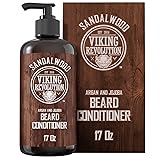
- Top-tier Beard Conditioner: Formulated to aid in healthy beard growth, this beard conditioner hydrates, cleans and softens, giving your beard shine and life.
- No Itching or Irritation: Say goodbye to itchy irritated skin and get rid of beard dandruff. Condition your beard, and look and feel great.
- Mousturized Beard: Our beard conditioner deeply nourishes and moisturizes. After cleansing, with just a little beard conditioner in your hand, massage into your beard and let the rich ingredients do the rest. Rinse afterwards.