
All products are selected by our Beard Stylish editors. If you buy something through our links as an Amazon Associate we earn from qualifying purchases.
Whether you’re maintaining a full beard, a fade, or a close-cropped style, a beard line up tool is the single most important instrument between you and a professional-looking finish at home.
A sharp, defined beard edge is the hallmark of a well-groomed man. Yet for many, achieving that crisp barber-fresh line without a salon visit feels elusive. The right beard line up tool closes that gap entirely — giving you precision, control, and a clean finish from the comfort of your bathroom.
In this guide, we break down everything you need to know: what a beard lineup tool actually does, how to use one step by step, which features matter most, and answers to the questions most men are searching for. Whether you’re new to beard grooming or a seasoned self-trimmer, this is the resource to bookmark.
What Is a Beard Line Up Tool?
Quick definition
A beard line up tool is a precision grooming device — typically a T-blade trimmer, straight-edge guide, or adjustable detailing attachment — designed to create clean, symmetrical lines along the jaw, cheekbones, neckline, and sideburns. Unlike standard beard trimmers that cut bulk length, lineup tools focus exclusively on edge definition and shape.
The term covers a range of products: electric T-blade trimmers with zero-gap blades, shaping combs with built-in guides, adjustable beard line guides, and even manual razor tools with detailing edges. What unites them is their singular purpose — precise beard edge shaping.
Barbers have relied on straight-razor blade techniques and T-outliner tools for decades to deliver the sharp lines that make a beard look intentional and polished. Modern beard lineup tools bring that same edge-work capability to your home routine.
Why a Dedicated Lineup Tool Makes a Difference
Standard clippers and foil shavers are built for surface-area coverage. Beard lineup tools are built for millimeter-level accuracy. The difference shows in results: a regular trimmer can reduce beard length, but it can’t give you the crisp jaw contour or clean neckline that separates an intentional beard style from an overgrown one.
Consider the specific areas a lineup tool targets:
- Cheek line: defines the upper boundary of your beard, preventing a bushy, formless look
- Jawline edge: carves a sharp silhouette that frames the face and sharpens perceived jaw definition
- Neckline: the most commonly neglected zone — a clean neck edge transforms a beard from unkempt to groomed
- Sideburn taper: blends your beard into your haircut for a seamless, professional transition
- Mustache border: keeps the lip line defined and the mustache shape intentional
Men who invest in beard shaping and facial hair grooming tools consistently report looking more polished without needing more frequent barbershop visits — a meaningful saving in both time and cost over the long term.
Types of Beard Line Up Tools Explained
1. T-Blade Outliner Trimmers
The most popular category. These electric trimmers feature a narrow, T-shaped blade head designed specifically for outlining and detailing. Zero-gap blades in premium models shave flush to the skin, producing barber-quality lines. Cordless models with USB-C charging offer the convenience most users prefer for home and travel use.
2. Beard Shaping Tools and Line Guides
Handheld plastic or metal templates that you hold against your face to guide your trimmer or razor along a consistent curve. Ideal for beginners who struggle with freehand symmetry. Many include multiple curve profiles for cheek lines, goatee shaping, and neckline definition. Often used alongside a beard line up comb.
3. Detailing Attachments for Standard Trimmers
Many full-size beard trimmer systems include a detachable precision blade or narrow attachment for lining work. While not as purpose-built as standalone outliner trimmers, these offer a cost-effective entry point for occasional line-up maintenance.
4. Straight-Edge Razors and Detailing Razors
For those who prefer a manual approach, detail razors with safety guards offer extreme precision without the bulk of a motorized tool. Best paired with shaving gel and used by those comfortable with blade work.
Expert note
For most men — regardless of beard length or style — a cordless T-blade outliner trimmer with a zero-gap or close-cut blade delivers the most versatile, accurate results with the shortest learning curve. It’s the format professional barbers use for a reason.
How to Use a Beard Line Up Tool: Step by Step
Proper technique separates a clean lineup from an uneven one. Follow these steps for consistent, symmetrical results every time.
01
Wash and dry your beard
Clean, dry hair gives blades a consistent cut. Oils and water cause blades to drag unevenly.
02
Trim bulk length first
Use your regular beard trimmer to set overall length before detailing edges — never line up first.
03
Define your cheek line
Start above your natural cheek line and work downward in short, controlled strokes. Use a shaping guide if needed.
04
Carve the neckline
Find the midpoint between your jaw and Adam’s apple. Draw a U-shaped line ear to ear along this point.
05
Shape the jawline edge
Work along the jaw contour in steady, deliberate passes. Use a mirror to check symmetry from both sides.
06
Clean up and moisturize
Brush away clippings, rinse the skin, and apply beard oil or balm to hydrate freshly trimmed edges.
Consistency matters more than speed. Most experienced beard groomers move slowly through the lineup stage, checking symmetry frequently in natural light before committing to each pass.
Key Features to Look for in a Beard Line Up Tool
When evaluating beard grooming tools and facial hair clippers for lineup work, these are the specifications that genuinely affect performance:
- Blade gap: zero-gap or close-cut blades produce the sharpest lines; look for adjustable gap settings for versatility
- Blade material: stainless steel and titanium-coated blades hold their edge longer and resist corrosion from skin oils
- Motor type: rotary motors offer consistent power; linear magnetic motors reduce vibration for steadier hand control
- Cordless runtime: 60 minutes or more per charge covers multiple sessions comfortably; quick-charge features are a practical bonus
- Ergonomics: slim, lightweight body with a textured grip prevents hand fatigue during detail work
- Blade width: narrower blade heads (under 40mm) offer better sight lines when working around curves
- Wet/dry compatibility: washable blades and waterproof bodies simplify cleaning and hygiene maintenance
Beard Lineup Tips From Professional Barbers
These insights come from grooming professionals who line up beards daily:
Always line up under good lighting. Poor bathroom lighting creates shadow that hides asymmetry. Use a well-lit mirror or a natural light source, and use a handheld mirror to check your work from multiple angles.
Less is more on the cheek line. The most common lineup mistake is removing too much from the cheek — a mistake that takes weeks to grow back. Start conservative and refine gradually rather than cutting aggressively on the first pass.
Keep your neckline natural, not too high. A neckline placed too high (above the jaw) makes the beard appear disconnected and unnatural. The classic barber guideline: two fingers above the Adam’s apple marks the correct starting point.
Maintain your lineup every 5 to 7 days. Beard edge maintenance on a weekly schedule keeps lines sharp without requiring significant reshaping each time. Letting edges grow out significantly makes each session harder and less predictable.
Oil your blades regularly. A drop of clipper oil on the blade before each use reduces friction, extends blade life, and keeps cuts smooth. Many blade alignment issues are actually lubrication issues in disguise.
Beard Line Up Tool vs. Standard Trimmer: What’s the Difference?
Key distinction
A standard beard trimmer is designed to cut beard length uniformly across a large surface area, using guards to control depth. A beard lineup tool is designed for edge precision — it works without guards, at or near skin level, to create sharp outlines and defined borders. Most well-groomed beards require both: the trimmer for maintenance, the lineup tool for finish.
Think of it in terms analogous to painting: the standard trimmer is the roller that covers broad areas; the lineup tool is the fine brush that completes the edges. You can technically skip the fine brush, but the result will always look unfinished by comparison.
Maintaining Your Beard Line Up Tool
A quality beard line up tool is an investment — proper maintenance protects that investment and ensures consistent performance.
After each use, brush loose hair from the blade using the cleaning brush included with most tools. For removable blades, rinse under warm water if the tool is waterproof rated. Apply a drop of blade oil to the blade teeth before storage. This single habit dramatically extends blade sharpness and motor longevity.
Replace blades when you notice pulling, snagging, or uneven cutting — typically every 6 to 12 months with regular use, depending on blade quality and frequency of maintenance. Store the tool in a case or pouch to prevent blade damage from drops and contact with other objects.
JM
James Mercer — Senior Grooming Editor
10+ years covering men’s grooming; collaborates with professional barbers and trichologists to verify all product and technique guidance.
Frequently Asked Questions
What is the best beard line up tool for beginners?
Beginners benefit most from a cordless T-blade outliner with a moderate price point, a comfortable grip, and a shaping guide or comb included in the kit. Models with an adjustable blade gap allow you to start with a slightly wider setting for more forgiving results as you build technique.
Can I use a beard lineup tool on a short beard or stubble?
Yes — in fact, lineup tools are especially impactful on short beards and stubble, where defined edges are more visible and make a bigger difference to the overall look. Use a close-cut blade setting and move slowly, as precision matters even more at shorter lengths.
How often should I line up my beard?
Most men line up their beard every 5 to 7 days to maintain clean edges. If you have faster beard growth or a style with very sharp lines, you may prefer every 3 to 4 days. Weekly maintenance sessions are generally sufficient for medium to longer beard styles.
Is a T-blade trimmer the same as a beard line up tool?
A T-blade trimmer is the most common type of beard lineup tool, but not the only kind. Shaping guides, detailing razors, and precision attachments also fall into the lineup tool category. T-blade trimmers are the preferred format among professional barbers for edge work due to their visibility, blade narrowness, and precision.
Do beard line up tools work for all beard types and textures?
Yes, with the right blade. Most T-blade outliners work effectively across straight, wavy, coarse, and curly beard textures. For very coarse or tightly coiled beard hair, look for models specifically rated for coarse hair or featuring high-torque motors, which maintain cutting power without snagging.
What’s the difference between a beard shaping tool and a beard line up tool?
A beard shaping tool is typically a passive template or guide — a plastic or metal stencil you hold against your face to guide a trimmer or razor along a specific curve. A beard lineup tool is the active cutting device (usually electric). Many men use both together: the shaping guide to establish symmetrical reference lines, and the lineup trimmer to cut along them.
Can a beard line up tool be used on the hairline too?
Absolutely — outliner trimmers are routinely used by barbers for hairline detailing, temple fades, and neckline cleanup on haircuts as well as beards. A quality beard lineup tool is essentially a versatile detailing trimmer suitable for all facial and head edge work.
How do I keep my beard lines symmetrical when lining up at home?
Work in a well-lit space and use two mirrors — one facing and one handheld — to check both sides. Consider using a beard shaping guide for your cheek and jaw lines until your eye for symmetry improves. Move in small, controlled strokes and check frequently rather than making long continuous passes without pausing to review.
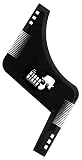
- ACHIEVE PERFECT SYMMETRY IN MINUTES: Stop guessing where to trim. Our professional beard shaping tool uses built-in leveling marks to ensure a perfectly symmetric look every time. Simply line up the stencil and follow the guide for accurate, clean shave lines that mimic a professional barber finish.
- COMPLETE STYLING VERSATILITY: Whether you want a sharp Curve Cut or a modern Step Cut, this facial hair template does it all. Designed to help you master your cheek line, jaw line, moustache, goatee, and sideburns. It’s the ultimate beard stencil for men who take their grooming seriously.
- THE ULTIMATE BEARD NECKLINE SHAPER: Getting the neck line right is the hardest part of grooming. Our beard trim guide is specifically shaped to provide the perfect neck line contour, eliminating the risk of trimming too high or leaving it messy.