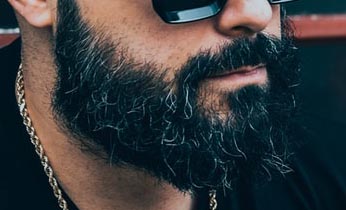
All products are selected by our Beard Stylish editors. If you buy something through our links as an Amazon Associate we earn from qualifying purchases.
Beard growth is primarily governed by genetics and androgens — specifically dihydrotestosterone (DHT) and testosterone. Men with fewer androgen-sensitive follicles in the beard zone (cheeks, chin, jawline, mustache) will naturally produce thinner or patchier facial hair. Additional contributors include alopecia areata, hormonal imbalances, scarring from acne, and age-related follicle miniaturization.
Understanding the root cause is the first step to choosing the right treatment — whether that’s a surgical beard transplant or a topical DHT-independent stimulant like Minoxidil.
Beard Transplant: How It Works, Results, and Costs
What Is a Beard Transplant?
A beard transplant is a surgical hair restoration procedure in which individual follicular units are harvested from a donor site — typically the back of the scalp — and implanted into the beard area. Two primary techniques are used:
- FUE (Follicular Unit Extraction): Individual follicles are extracted one by one using a micro-punch tool, leaving no linear scar. This is the gold standard for beard transplantation.
- FUT (Follicular Unit Transplantation): A strip of scalp skin is removed and dissected into grafts. Less common for beard procedures due to scarring.
Beard Transplant Results
Results from beard transplant surgery are considered permanent. Transplanted hairs retain the growth characteristics of scalp donor hair — meaning they grow longer and may require trimming more frequently than natural beard hair. Most patients see:
- Initial shedding within 2–4 weeks post-procedure (telogen effluvium — a normal phase)
- Visible regrowth beginning at 3–4 months
- Full results apparent at 9–12 months
Graft survival rates with experienced surgeons typically range from 85% to 95%, with most patients achieving natural-looking density when 1,500–3,500 grafts are placed depending on coverage area.
Beard Transplant Cost
Beard transplant cost varies significantly by geography, surgeon expertise, and graft count:
- United States: $5,000–$15,000
- United Kingdom: £3,000–£8,000
- Turkey (medical tourism): $1,500–$4,000
Beard transplants are considered elective cosmetic procedures and are not covered by insurance. Choosing a board-certified hair restoration surgeon (ABHRS-certified or ISHRS member) is critical for safe outcomes and natural results.
Risks and Considerations
- Infection and folliculitis (rare with proper aftercare)
- Unnatural hairline if placed by an inexperienced surgeon
- Temporary numbness or scarring at the donor site
- Grafts may not survive if the patient has insufficient donor density
Minoxidil for Beard Growth: Evidence, Application, and Results
How Minoxidil Works on Facial Hair
Minoxidil — originally developed as an oral antihypertensive and marketed topically as Rogaine — was discovered to stimulate hair growth as a side effect. Applied topically, it works by:
- Widening blood vessels and increasing blood flow to follicles
- Prolonging the anagen (active growth) phase of the hair cycle
- Stimulating follicle miniaturization reversal in beard zones
Minoxidil does not block DHT, making it mechanistically different from finasteride. It works on follicles that are still viable but dormant or miniaturized — which is why results vary based on individual follicle sensitivity.
Does Minoxidil Work for Beards?
Clinical evidence supports the use of topical Minoxidil for beard growth. A 2016 randomized controlled trial published in the Journal of Dermatology compared 3% Minoxidil lotion to placebo in men with thin beards — Minoxidil significantly outperformed placebo in total hair count and weight.
Typical outcomes for consistent topical Minoxidil users include:
- Increased hair density in patchy areas
- Thickening of existing vellus hairs into terminal hairs
- Best results in men under 40 with partial (not total) follicle absence
Minoxidil Application Protocol for Beard Growth
- Concentration: 5% topical solution or foam (standard OTC strength); some dermatologists prescribe compounded 5–10% formulations
- Frequency: Applied twice daily to clean, dry skin
- Amount: 1 mL per application, spread across the beard zone
- Timeline: Minimum 3–6 months before assessing effectiveness; full results at 12 months
- Maintenance: Results are not permanent — growth typically reverses within 3–6 months of stopping
Side Effects of Minoxidil
- Skin irritation, dryness, or flaking at application site
- Unwanted facial hair spread if applied carelessly
- Systemic absorption risk with excessive use (dizziness, rapid heart rate — rare with topical use)
- Propylene glycol sensitivity (solution formula) — foam formula is often better tolerated
Beard Transplant vs. Minoxidil: Side-by-Side Comparison
| Factor | Beard Transplant | Minoxidil (Rogaine) |
|---|---|---|
| Permanence | Permanent | Requires ongoing use |
| Cost | $3,000–$15,000 (one-time) | ~$20–$50/month |
| Invasiveness | Surgical | Non-surgical topical |
| Time to Results | 9–12 months | 6–12 months |
| Effectiveness | High (with viable donor) | Moderate (follicle-dependent) |
| Maintenance | Minimal post-recovery | Daily lifelong application |
| Best For | Total patchy areas, scarring alopecia | Miniaturized follicles, early thinning |
Which Option Is Right for You?
Choose a beard transplant if:
- You have clearly defined bald patches with no follicular activity
- You have adequate scalp donor density
- You want a permanent, low-maintenance solution
- Your budget supports a one-time surgical investment
Choose Minoxidil if:
- Your beard is thin but not completely absent
- You want a non-invasive, reversible first-line treatment
- Budget is a primary concern
- You are not yet ready for surgical intervention
Many men use Minoxidil first as a diagnostic tool — if topical treatment produces results, it confirms follicle viability and may even reduce the number of grafts needed in a later transplant. Consulting a dermatologist or hair restoration specialist before starting either treatment ensures you receive an evidence-based recommendation tailored to your follicle health.
Frequently Asked Questions (FAQ)
Can I use Minoxidil after a beard transplant? Yes. Some surgeons recommend Minoxidil post-transplant to support graft survival and stimulate dormant surrounding follicles, typically starting 2–4 weeks post-procedure. Always follow your surgeon’s specific protocol.
Is a beard transplant painful? The procedure is performed under local anesthesia, so pain during surgery is minimal. Post-operative soreness and swelling are common for 3–5 days and managed with over-the-counter analgesics.
Does Minoxidil work on areas with zero beard growth? Minoxidil requires existing — even dormant — follicles to act on. In areas with true follicular absence (genetic or scarring), Minoxidil is unlikely to produce results. A transplant is the more appropriate intervention in those zones.
How many grafts does a beard transplant require? Coverage needs vary: a full beard (cheeks, chin, jawline, mustache, sideburns) typically requires 2,500–3,500 grafts. Targeted areas like the chin or mustache alone may need only 600–1,200 grafts.
At what age should I consider a beard transplant? Most surgeons recommend waiting until age 25–28, when beard growth patterns have fully stabilized, to avoid transplanting into areas that may develop natural growth later.
Is oral Minoxidil more effective than topical for beard growth? Low-dose oral Minoxidil (2.5–5 mg daily) has shown superior results in some clinical settings compared to topical application due to systemic bioavailability. However, it carries a higher risk of systemic side effects and requires a prescription. Discuss this option with a board-certified dermatologist.

- 3-month supply: This men’s hair regrowth product is a hair growth foam that slows hair loss and promotes regrowth; increases fullness and hair count on top of your scalp; 3-month supply is 3 aerosol canisters that are 2.11 ounces each
- Proven regrowth: Rogaine foam Minoxidil for men is clinically proven to regrow hair and reduce the rate of hair loss; Rogaine is the inventor of minoxidil and the first brand approved for its topical use
- Scalp-conditioning formula: A blend of botanical extracts and nourishing emollients that help condition your scalp and prevent dryness, so you and your hair can feel good; this men’s hair loss treatment stimulates follicles reactivating for hair growth