All products are selected by our Beard Stylish editors. If you buy something through our links as an Amazon Associate we earn from qualifying purchases.
A well-groomed beard doesn’t happen by chance. The secret to a softer, itch-free, and healthy beard starts with the right beard wash and conditioner — two products that work together to cleanse, hydrate, and protect your facial hair and the skin beneath it.
Whether you’re growing a full beard for the first time or you’ve had one for years, understanding the role of a dedicated beard cleanser and beard conditioner can make a measurable difference in how your beard looks, feels, and behaves every day.
What Is Beard Wash and Conditioner?
Beard wash — also called beard shampoo or beard cleanser — is a gentle, pH-balanced formula specifically designed to clean facial hair and the underlying skin without stripping away natural oils. Unlike standard shampoos, it doesn’t contain harsh sulfates or detergents that can cause beard dryness, flaking, and irritation.
Beard conditioner is a follow-up moisturising treatment that replenishes hydration, softens coarse beard hair, detangles knots, and reduces beard itch. Together, these two products form the core of any serious beard care routine.
Quick Answer — What does beard wash do?
Beard wash removes dirt, excess sebum, dead skin cells, and product buildup from facial hair while preserving the skin’s natural moisture barrier. It prevents beard dandruff (beardruff), reduces itch, and prepares the beard for conditioning treatments.
Why Regular Shampoo Is Not Enough for Your Beard
Many men make the mistake of using regular hair shampoo or bar soap on their beard. While convenient, this is one of the most common causes of a dry, itchy, and brittle beard. Here’s why:
The skin on your face is significantly more sensitive than the scalp. Regular shampoos contain sulfates (such as sodium lauryl sulfate) formulated to strip heavy scalp oils — but when applied to your face, they over-cleanse the thinner facial skin, removing the protective sebum layer. The result? Beard itch, flaking, and dry skin under beard — all telltale signs of an irritated moisture barrier.
Beard-specific washes are formulated with mild cleansing agents, botanical extracts, and conditioning ingredients that respect both the hair cuticle and facial skin pH, offering a clean that nourishes rather than depletes.
Key Benefits of Using Beard Wash and Conditioner
Featured benefits
- Eliminates beard dandruff and flaky skin underneath the beard
- Reduces beard itch caused by dryness and irritation
- Softens coarse, wiry beard hair for easier styling
- Prevents product buildup from balms, oils, and waxes
- Promotes healthier beard growth by maintaining a clean follicle environment
- Detangles and improves beard manageability
- Hydrates and conditions the skin beneath the beard
Men who switch from regular soap to a dedicated beard wash and conditioner typically notice softer, more manageable facial hair within the first two weeks of consistent use — particularly in longer beards where dryness and tangles are most pronounced.
How to Use Beard Wash and Conditioner the Right Way
Step-by-step routine
- Wet your beard thoroughly with warm water to open the hair cuticle.
- Apply a small amount of beard wash (about a 10p-coin size) and lather gently into the beard and skin beneath.
- Massage in circular motions to loosen buildup and stimulate the follicles.
- Rinse completely with warm water, ensuring no residue remains.
- Apply beard conditioner from root to tip and leave in for 1–3 minutes.
- Rinse with cool water to close the cuticle and lock in moisture.
- Pat dry gently with a soft towel — never rub aggressively.
- Follow up with beard oil or beard balm while the beard is still slightly damp.
How often should you wash your beard?
Most beard care experts recommend washing your beard 2–3 times per week. Over-washing strips natural oils and leads to dryness; under-washing allows bacteria and sebum to accumulate. Adjust based on your activity level, climate, and beard length.
Key Ingredients to Look For — and Avoid
Reading ingredient labels is the most reliable way to distinguish high-quality beard products from ineffective ones. Here are the most beneficial ingredients for beard wash and conditioner:
Argan Oil
Rich in vitamin E and fatty acids; softens coarse hair and adds shine without greasiness.
Jojoba Oil
Mimics natural sebum; balances oil production and deeply moisturises skin beneath the beard.
A powerful emollient that conditions both hair and skin; ideal for dry or coarse beards.
Tea Tree Oil
Natural antibacterial and antifungal; helps combat beard dandruff and follicle irritation.
Biotin
Supports keratin structure; promotes stronger, thicker-looking beard hair over time.
Aloe Vera
Soothing and hydrating; calms irritation and reduces redness around the beard line.
Ingredients to avoid
| Ingredient | Why to avoid |
|---|---|
| Sodium Lauryl Sulfate (SLS) | Harsh detergent that strips natural oils and causes dryness |
| Parabens | Synthetic preservatives linked to skin sensitivity and hormonal disruption |
| Artificial Fragrances | Common irritants that can cause allergic reactions in sensitive skin |
| Alcohol (denatured) | Dries out beard hair and skin; leads to brittleness and split ends |
| Silicones | Create initial smoothness but cause long-term buildup that suffocates follicles |
Beard Wash vs Beard Oil vs Beard Balm — What’s the Difference?
Understanding how these products complement each other prevents over-application and ensures you’re using each at the right time:
| Product | Primary Function | When to Use |
|---|---|---|
| Beard Wash | Cleanses hair and skin, removes buildup | In the shower, 2–3x per week |
| Beard Conditioner | Hydrates, softens, and detangles | After washing, leave in 1–3 mins |
| Beard Oil | Moisturises skin, adds subtle sheen | Post-shower on damp beard daily |
| Beard Balm | Styles, shapes, and provides hold | After oil, for styling and taming |
Many men skip the conditioner and jump straight to beard oil — but a conditioner applied during the shower provides deeper, longer-lasting moisture because it penetrates the open hair cuticle. Beard oil, applied post-shower, then seals that moisture in and nourishes the skin surface.
Expert tip: Match your products to your beard length.
Short stubble (under 1 cm) benefits most from a gentle beard wash alone. Medium beards (1–5 cm) benefit from both wash and conditioner. Long or full beards (5 cm+) require the complete routine — wash, conditioner, oil, and balm — to maintain softness and manageability.
Choosing the Right Beard Wash and Conditioner for Your Beard Type
Not all beards are the same. Coarse, thick beards — common in men of African and Middle Eastern descent — require heavier conditioning agents like shea butter and castor oil. Fine or straight beards may feel weighed down by overly rich formulas and respond better to lightweight, water-based conditioners with aloe vera or panthenol.
Men with sensitive skin prone to redness or razor bumps should prioritise fragrance-free, hypoallergenic formulas with calming botanicals like chamomile, green tea extract, or calendula. Those battling beard dandruff (seborrheic dermatitis under the beard) should look for washes containing zinc pyrithione, salicylic acid, or ketoconazole — clinically proven active ingredients for controlling flake-causing fungi.
For men in cold, dry climates, a thicker, cream-based conditioner provides superior protection against environmental moisture loss. In humid conditions, lighter gel or rinse-off conditioners prevent the heavy, greasy feel that thicker formulas can leave behind.
Frequently Asked Questions
Can I use regular hair conditioner on my beard?
While regular hair conditioner won’t damage your beard immediately, it’s formulated for scalp hair — which is finer and less porous than beard hair. Beard conditioners contain higher concentrations of emollients and moisturisers suited to the coarser texture of facial hair and the more sensitive skin beneath. For best results, use a product specifically labelled as a beard conditioner or beard softener.
How long does it take for beard wash and conditioner to show results?
Most men notice reduced itch and softer texture within 1–2 weeks of consistent use. More significant improvements — including reduced beard dandruff, improved beard growth thickness, and a more manageable beard — are typically visible within 4–6 weeks of maintaining a regular beard wash routine.
Is beard wash necessary if I wash my face every day?
Yes. Face wash removes surface oils and dead skin cells but isn’t designed to penetrate coarse beard hair fibres or address the unique needs of facial hair. Without a dedicated beard cleanser, product buildup, bacteria, and dry skin under beard accumulate — particularly in medium to long beards. A beard-specific wash ensures both the hair and the skin underneath are properly cleansed without disrupting the face’s pH balance.
What causes beard itch and how does conditioner help?
Beard itch is most commonly caused by dry skin beneath the beard, newly growing hair with sharp cut tips, and lack of sebum production to coat longer beard hair. Beard conditioner hydrates the hair shaft and the underlying skin simultaneously, smoothing the cuticle and reducing the friction that causes itch. Conditioners with aloe vera, panthenol, and glycerin are particularly effective for itch relief.
Should I use a leave-in beard conditioner or a rinse-out conditioner?
Both have merit depending on your beard type. Rinse-out conditioners are ideal for most beard types as they provide deep hydration without leaving residue. Leave-in beard conditioners or beard conditioning sprays are best for very long, coarse, or dry beards that need continuous moisture throughout the day. Many men use a rinse-out conditioner during showers and follow up with a lightweight leave-in or beard oil post-wash.
Can beard wash help with beard dandruff?
Yes. Beard dandruff — medically known as seborrheic dermatitis — is primarily caused by an overgrowth of a yeast-like fungus called Malassezia on the skin. Beard washes containing antifungal ingredients such as ketoconazole, zinc pyrithione, or salicylic acid are clinically proven to reduce flaking and irritation. Using a medicated beard wash 2–3 times per week and following up with a moisturising conditioner is the most effective approach for managing beardruff.
How much beard wash should I use per wash?
For most beard lengths, a coin-sized amount (roughly 1–2 ml) of beard wash is sufficient. Longer, thicker beards may require slightly more. Avoid over-applying — using too much product doesn’t clean more effectively but does increase the risk of irritation and residue buildup. Always rinse thoroughly to prevent any leftover product from clogging follicles or drying out the skin.
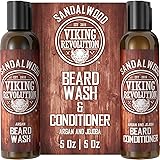
- Top-tier Beard Kit: Formulated to aid in healthy beard growth, this beard shampoo and conditioner kit hydrates, cleans and softens, giving your beard shine and life.
- No Itching or Irritation: Say goodbye to itchy irritated skin and get rid of beard dandruff. Wash and condition your beard, and look and feel great.
- Lather up: Our beard wash set deeply cleans and nourishes. With just a little beard shampoo in your hand, add water, massage into your beard and the rich lather does the rest.