All products are selected by our Beard Stylish editors. If you buy something through our links as an Amazon Associate we earn from qualifying purchases.
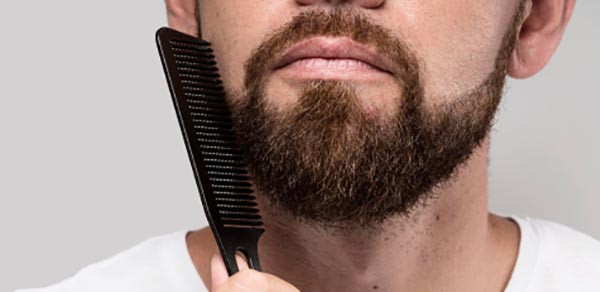
Growing a long beard is a commitment, and maintaining it requires the right tools. A quality beard comb is non-negotiable — it detangles, distributes natural oils, trains hair direction, and keeps coarse beard hair looking groomed rather than chaotic. With dozens of options flooding the market, knowing what separates a genuinely functional beard comb from a cheap imitation saves both time and beard health.
Why Long Beards Need a Dedicated Comb
Standard hair combs are not designed for facial hair. Long beard hair tends to be coarser, denser, and grows in multiple directions simultaneously. Using the wrong comb leads to breakage, split ends, frizz, and painful snagging.
Long beards specifically benefit from combs with wider tooth spacing in one section and finer spacing in another. This dual-action design allows for initial detangling with wide teeth followed by styling and smoothing with the fine teeth. Beard hair also responds poorly to static electricity, which is why the comb material matters as much as the tooth configuration.
Key Features to Look for in a Beard Comb
Material Quality
The three dominant materials in beard combs are wood, cellulose acetate (hard rubber), and plastic. Each has distinct properties:
Wood combs — typically made from sandalwood, pear wood, or bamboo — are anti-static, lightweight, and often infused with natural oils that condition beard hair during combing. They are gentle on skin and ideal for dry or coarse beards. The main limitation is moisture sensitivity; prolonged exposure to water can warp or crack wooden combs.
Cellulose acetate and hard rubber combs are cut (not injection molded), which produces smooth, seamless tooth edges that glide through hair without micro-tearing the cuticle. These are considered the professional standard and are widely recommended by barbers for their durability and anti-static properties.
Plastic combs — particularly injection-molded varieties — often have microscopic seam lines along each tooth from the molding process. These seams can damage beard hair over time and create static. They are best avoided for long, daily-use beards.
Tooth Spacing
Wide-tooth spacing (4–6mm gaps) works for thick, coarse, or tangled long beards. Fine-tooth spacing is better for styling and smoothing once tangles are removed. A dual-sided comb covers both needs in one tool.
Comb Length and Portability
Longer beards benefit from combs with a longer body — typically 5 to 7 inches — which provides better control across the full beard length. Pocket combs (3–4 inches) are convenient for travel and touch-ups but less efficient for thorough grooming sessions at home.
Handmade vs. Machine Cut
Handmade or saw-cut combs have smooth, rounded tooth tips that do not irritate the skin beneath the beard. Machine-pressed combs often have sharp edges unless they’ve been hand-finished afterward. Always check that the product description specifies smooth, rounded, or polished teeth.
How to Comb a Long Beard Correctly
Technique affects beard health as much as the comb itself. Follow this approach for minimal breakage and maximum style control:
- Start from the bottom. Work from the tips upward in sections, not root-to-tip in one stroke. This prevents unnecessary tension and breakage.
- Apply beard oil or balm first. Combing a dry beard — especially a long one — increases the risk of snapping hair and irritating skin. A few drops of beard oil dramatically improves comb-through.
- Use wide teeth first. Remove tangles with the wide side before switching to fine teeth for shaping.
- Comb with the grain. Establish direction by combing downward and outward, following the natural growth pattern of your beard.
- Comb daily. Regular combing trains long beard hair to grow in a consistent direction over time, reducing future tangling.
Wood vs. Hard Rubber: Which Is Better for Long Beards?
Both wood and hard rubber outperform plastic significantly. The choice comes down to personal preference and beard type:
Choose wood if your beard is dry, you prefer a natural aesthetic, or you use beard oil regularly. Wood combs work well with oil-based products and feel comfortable against skin.
Choose hard rubber or cellulose acetate if your grooming routine involves water or water-based products, or if you want a comb that lasts decades without warping. These combs are also easier to sanitize.
For most men with long beards, a sandalwood comb for home use paired with a small hard rubber pocket comb for on-the-go grooming covers every scenario.
Beard Comb vs. Beard Brush: What Long Beards Actually Need
A common question among men growing out their beards is whether to use a comb, a brush, or both. The answer for long beards is both, used at different stages.
A boar bristle beard brush is most effective at distributing beard oil and sebum from the skin out to the hair tips and exfoliating the skin underneath the beard. However, brushes are less effective at detangling long, thick beard hair and can cause breakage if used on heavily knotted sections.
A comb handles detangling and precise styling. For long beards, combing should come first (detangle), followed by brushing (distribute oil and smooth the surface). Using both tools in combination produces the best results for beard health and appearance.
Frequently Asked Questions
What type of comb is best for a long thick beard?
A wide-tooth comb made from wood or hard rubber is best for long, thick beards. Wide teeth navigate dense hair without pulling, and natural materials reduce static and breakage compared to plastic alternatives.
How often should you comb a long beard?
Comb your long beard at least once daily, ideally after applying beard oil. Men with particularly thick or curly beard hair may benefit from combing twice daily — once in the morning and once before bed.
Can a regular hair comb damage a long beard?
Yes. Standard hair combs are often injection-molded with rough seam edges along the teeth. These edges create micro-tears in coarse beard hair over time, leading to frizz, breakage, and split ends. A comb specifically designed for beard use will have smoother, rounded teeth.
Is a wooden beard comb worth it?
Wooden beard combs are worth the investment for most men. They are anti-static, gentle on skin, compatible with beard oils, and typically hand-finished to prevent hair snags. Quality sandalwood combs also last for years with basic care.
What size comb works best for long beards?
A 5 to 7-inch comb provides the control needed for grooming long beards efficiently. Shorter pocket combs (3–4 inches) are useful for maintenance throughout the day but less practical for thorough at-home grooming sessions.
Should I comb my beard when it’s wet or dry?
Comb your beard when it is slightly damp or dry with a conditioning product applied — not soaking wet. Wet beard hair is more elastic and prone to snapping under tension. Applying beard oil to a towel-dried beard before combing reduces breakage significantly.
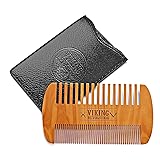
- Find Out What You’re Missing – Find out for yourself, why others are saying this is the best comb they’ve ever come across! This dual sided comb gives the best grooming experience with both its fine and coarse teeth. No static or pulls and great for taking out knots
- Make Her Fall In Love All Over Again – Look and feel your best with a well-groomed beard. She’ll be sure to notice who the king of the jungle is. Works great for any type of beard, long, short, thick or thin.
- Command Attention When You Walk Into The Room – Look and feel like a million bucks! A well-groomed beard will give you the confidence to conquer the world. Comes with a case that makes it easy to carry around without the risk of damaging.