All products are selected by our Beard Stylish editors. If you buy something through our links as an Amazon Associate we earn from qualifying purchases.
If you’ve noticed white flakes falling from your beard onto your shirt — or felt that persistent itching along your chin and jaw — you’re dealing with beard dandruff, clinically known as seborrheic dermatitis of the beard area. It’s one of the most common yet least talked-about grooming problems men face, and it has nothing to do with hygiene.
The good news: using the right dandruff shampoo for your beard can resolve the problem in a matter of weeks. The challenge is knowing which formulas actually work on facial skin — because not every scalp shampoo is safe or effective below the neck.
This guide walks you through the science, the key ingredients to look for, how to use these shampoos correctly, and what to watch out for so you can get your beard looking clean, flake-free, and healthy.
What Causes Beard Dandruff?
Beard dandruff is primarily caused by an overgrowth of Malassezia globosa, a naturally occurring yeast that lives on human skin. When this fungus proliferates — often triggered by hormonal shifts, stress, cold weather, or excess sebum production — it breaks down skin oils into oleic acid, which irritates the skin and causes accelerated skin cell turnover. The result: visible white or yellowish flakes, redness, and itching.
Unlike dry skin flaking (which produces fine, powdery flakes), seborrheic dermatitis flakes tend to be oily, larger, and attached to the hair shaft or skin surface. Understanding this distinction is critical because the treatment is fundamentally different — you don’t need more moisture, you need antifungal action.
Expert noteBeard skin is more sensitive than scalp skin and produces sebum at a different rate. A formula that’s too harsh for scalp use can cause dryness and irritation in the beard area. Always patch-test before full application.
Key Ingredients to Look For
The effectiveness of any dandruff shampoo comes down to its active ingredients. When shopping for a beard-safe dandruff shampoo, look for one or more of the following clinically proven antifungal and anti-inflammatory agents:
Ketoconazole (1–2%)
The gold-standard antifungal. Targets Malassezia directly. Often recommended by dermatologists for seborrheic dermatitis.
Zinc Pyrithione
Broad-spectrum antimicrobial that reduces yeast population and soothes inflammation. Gentler and suitable for daily use.
Selenium Sulfide (1–2.5%)
Slows skin cell turnover and inhibits yeast growth. Highly effective but can cause discolouration in lighter beards — use with care.
Salicylic Acid
A keratolytic agent that dissolves the “glue” binding dead skin cells together, making flakes easier to rinse away.
Coal Tar
Slows skin cell production and reduces itching. Highly effective for stubborn dandruff, though strong in scent.
Tea Tree Oil
A natural antifungal and antibacterial. Effective in mild to moderate cases and generally gentle on skin.
Formulas featuring ketoconazole or zinc pyrithione as the primary active ingredient are generally the most effective for beard dandruff. Many dermatologists recommend starting with a zinc pyrithione-based shampoo and escalating to ketoconazole if symptoms persist after 4–6 weeks.
How to Use Dandruff Shampoo on Your Beard
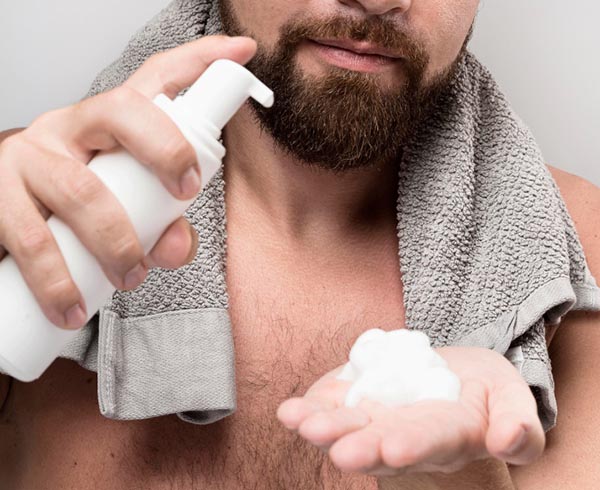
Using a dandruff shampoo correctly on your beard is not the same as washing your hair. The skin beneath your beard is facial skin — thinner, more reactive, and more prone to dryness than your scalp. Follow this protocol for best results:
Step-by-step beard dandruff treatment
- Wet your beard thoroughly with warm (not hot) water to open the follicles.
- Apply a small, pea-sized amount of dandruff shampoo to your fingertips.
- Work the shampoo gently into the skin beneath the beard, massaging in circular motions for 60–90 seconds.
- Leave the formula on for 2–5 minutes (or as directed on the label) to allow active ingredients to work.
- Rinse thoroughly — residue can cause irritation and dryness.
- Pat (don’t rub) dry with a clean towel.
- Follow up with a lightweight, fragrance-free beard oil or moisturiser to restore hydration.
Frequency matters. For active flare-ups, use the shampoo 2–3 times per week. Once symptoms clear, drop to once weekly as maintenance. Overuse of antifungal shampoos — especially those with selenium sulfide or coal tar — can strip natural oils and lead to compensatory sebum overproduction, which can worsen the cycle.
Can You Use Regular Scalp Dandruff Shampoo on Your Beard?
Technically, yes — but with caution. Many scalp dandruff shampoos contain sulfates, fragrances, and conditioning agents optimised for hair shafts rather than facial skin. These can cause contact dermatitis, excessive dryness, or follicle irritation when applied to the beard area regularly.
If you’re using a standard scalp shampoo on your beard, look for one that is:
- Sulfate-free or low-sulfate
- Free from synthetic fragrances
- pH-balanced for skin (ideally around 4.5–5.5)
- Formulated without alcohol as a primary ingredient
Better yet, look for products specifically formulated for beard or facial skin. A growing number of grooming brands now offer medicated beard washes and beard conditioners with built-in antifungal properties, making it easier to treat beard dandruff without compromising hair texture or skin health.
The Role of Beard Oil and Moisturisation
One of the most overlooked aspects of treating beard dandruff is post-wash hydration. Antifungal shampoos — particularly those with ketoconazole or selenium sulfide — can be drying when used repeatedly. Dry skin is flaky skin, which can be easily confused with dandruff or worsen underlying seborrheic dermatitis.
After every dandruff shampoo wash, apply a few drops of beard oil containing non-comedogenic, skin-safe carriers such as:
- Jojoba oil — closely mimics the skin’s natural sebum
- Argan oil — rich in vitamin E and fatty acids
- Sweet almond oil — lightweight and easily absorbed
Avoid beard oils with synthetic fragrances or essential oils in high concentrations — these can aggravate inflamed skin. If your skin is particularly reactive, an unscented, hypoallergenic beard balm may be a better choice than oil.
Lifestyle Factors That Make Beard Dandruff Worse
Even the best dandruff shampoo won’t deliver lasting results if underlying lifestyle triggers go unaddressed. The following are known contributors to seborrheic dermatitis flare-ups:
- Stress: Elevates cortisol, which increases sebum production and immune suppression, allowing Malassezia to proliferate.
- Diet high in refined sugars: Feeds the yeast that causes dandruff.
- Alcohol consumption: Dilates blood vessels and increases inflammation in the skin.
- Infrequent washing: Allows dead skin cells and sebum to accumulate, creating a breeding ground for dandruff-causing yeast.
- Cold, dry weather: Reduces the skin’s natural moisture barrier, increasing vulnerability to irritation.
Addressing these triggers alongside a consistent medicated shampoo routine gives you the best chance of long-term remission — not just short-term symptom control.
When to See a Dermatologist
If your beard dandruff persists after 8–12 weeks of consistent over-the-counter treatment, or if you notice symptoms such as significant redness, crusting, oozing, or hair thinning in the beard area, it’s time to consult a dermatologist. Prescription-strength ketoconazole (2%), topical corticosteroids, or oral antifungal treatments may be necessary in moderate to severe cases of seborrheic dermatitis.
A dermatologist or trichologist can also rule out other conditions that mimic beard dandruff, including psoriasis, contact dermatitis, eczema, or tinea barbae (a fungal beard infection requiring different treatment entirely).
MR
Dr. Marcus Reid
Board-certified trichologist with 14 years of clinical experience in scalp and beard dermatology. Contributor to the Journal of Clinical & Aesthetic Dermatology.
Frequently Asked Questions
Can I use Head & Shoulders on my beard?
Yes, Head & Shoulders can be used on beards — it contains zinc pyrithione, which is effective against beard dandruff. However, it also contains sulfates and fragrances that may irritate sensitive facial skin. Use it sparingly (2–3 times per week), rinse thoroughly, and follow up with a moisturising beard oil. If irritation occurs, switch to a gentler zinc pyrithione formula designed for sensitive skin.
How long does it take for dandruff shampoo to work on a beard?
Most people see noticeable improvement within 2–4 weeks of consistent use (2–3 times per week). Ketoconazole-based shampoos may show results faster — sometimes within 1–2 weeks. Complete resolution of symptoms typically takes 6–8 weeks. If there’s no improvement after 8 weeks, consult a dermatologist for a prescription-strength treatment plan.
Is beard dandruff the same as dry skin?
No — though they can look similar, they have different causes and require different treatments. Dry skin dandruff (xerosis) produces fine, powdery white flakes and is caused by insufficient moisture. Beard dandruff (seborrheic dermatitis) produces larger, oily or yellowish flakes and is caused by a fungal overgrowth. Moisturising alone won’t treat seborrheic dermatitis — you need antifungal active ingredients like ketoconazole or zinc pyrithione.
Does beard dandruff shampoo affect beard hair?
Medicated shampoos can make beard hair feel drier or coarser over time, particularly formulas containing selenium sulfide or coal tar. Always follow up with a conditioning beard oil or balm after washing. Selenium sulfide can also lighten or discolour lighter-coloured beards with prolonged use — if you have a blonde, red, or grey beard, opt for zinc pyrithione or ketoconazole instead.
Can beard dandruff be cured permanently?
Seborrheic dermatitis is a chronic condition that can be managed effectively but not permanently cured in all individuals. Many men achieve long-term remission through consistent use of a maintenance routine — weekly antifungal washes, regular moisturisation, and lifestyle adjustments (managing stress, diet, sleep). Flare-ups may recur during periods of stress, illness, or seasonal changes and can be treated promptly when they do.
What’s the difference between ketoconazole and zinc pyrithione shampoos?
Both are effective antifungals, but they work differently. Ketoconazole (1–2%) is a prescription-strength or OTC imidazole antifungal that directly disrupts Malassezia’s cell membrane — it’s the more potent option for moderate to severe dandruff. Zinc pyrithione is an antimicrobial agent that reduces the total population of yeast on the skin; it’s gentler, suitable for daily or frequent use, and appropriate for mild to moderate cases. For most people, starting with zinc pyrithione is a sensible first step before escalating to ketoconazole if needed.
Is it safe to use dandruff shampoo on a beard every day?
No — daily use of medicated dandruff shampoos is not recommended for beard use. Most formulas with active antifungal ingredients are designed for 2–3 uses per week during treatment, then once weekly for maintenance. Daily use can strip natural oils from facial skin, disrupt the skin’s microbiome, and lead to increased dryness and irritation. On non-treatment days, you can wash your beard with a gentle, sulfate-free beard wash.
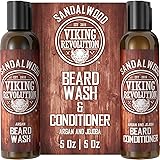
- Top-tier Beard Kit: Formulated to aid in healthy beard growth, this beard shampoo and conditioner kit hydrates, cleans and softens, giving your beard shine and life.
- No Itching or Irritation: Say goodbye to itchy irritated skin and get rid of beard dandruff. Wash and condition your beard, and look and feel great.
- Lather up: Our beard wash set deeply cleans and nourishes. With just a little beard shampoo in your hand, add water, massage into your beard and the rich lather does the rest.