All products are selected by our Beard Stylish editors. If you buy something through our links as an Amazon Associate we earn from qualifying purchases.
Whether you’re managing beardruff, ingrown hairs, or dull-looking facial hair, the right beard exfoliant can make a dramatic difference. This guide breaks down everything you need to know — from how exfoliation works beneath the beard to which formulas suit different skin types.
Beard grooming has evolved far beyond trimming and oiling. Skincare professionals and trichologists increasingly emphasise that the health of your beard starts with the skin underneath it. Dead skin cells, product buildup, and trapped sebum can clog follicles, cause itchiness, and lead to patchy growth. A dedicated beard exfoliant addresses all of these issues at the source.
What Is Beard Exfoliation and Why Does It Matter?
Quick Answer
Beard exfoliation is the process of removing dead skin cells, oil, and debris from the skin beneath and around your facial hair. It improves circulation to hair follicles, reduces beardruff (beard dandruff), prevents ingrown hairs, and promotes a healthier, fuller-looking beard over time.
The skin under your beard is just like any other skin on your face — it sheds cells, produces oil, and accumulates pollutants. The difference is that your beard traps all of that material, creating a miniature ecosystem that, if left unmanaged, becomes itchy, flaky, and prone to breakouts. Regular exfoliation disrupts that cycle.
Dermatologists often recommend exfoliating the face two to three times per week. For bearded men, this frequency remains appropriate, though the method must be adapted to accommodate the hair itself. Harsh physical scrubs can snag and split beard hairs, while chemical exfoliants may need to be applied more precisely to avoid irritating sensitive facial skin.
“The skin beneath a beard is one of the most underserved areas in men’s skincare — yet it’s the foundation of everything above it.”
Types of Beard Exfoliants
Understanding the difference between exfoliant types is essential before choosing the right product for your skin and beard type. There are two primary categories: physical (mechanical) and chemical. Many modern beard exfoliants blend both approaches for greater efficacy.
SPhysical Scrubs
Use fine particles — sugar, walnut shell, pumice, or sea salt — to manually lift dead skin cells. Best for normal to oily skin types with a thicker beard.
CChemical Exfoliants
Use acids (AHAs like glycolic or lactic acid, or BHAs like salicylic acid) to dissolve the bonds holding dead cells. Ideal for sensitive or acne-prone skin.
EEnzymatic
Use fruit-derived enzymes (papain from papaya, bromelain from pineapple) for a gentler form of chemical exfoliation. Great for reactive or dry skin types.
BBrush & Tool
Boar-bristle beard brushes and silicone facial scrubbers offer low-abrasion mechanical exfoliation. Good for daily maintenance between deeper scrub sessions.
Key Ingredients to Look For in a Beard Exfoliant
Not every scrub on the market is created equal. Whether you’re shopping for a beard face scrub or a dedicated beard exfoliating wash, certain active ingredients signal genuine efficacy rather than cosmetic marketing.
Salicylic Acid (BHA)
A beta-hydroxy acid with oil-soluble properties, salicylic acid penetrates deep into pores to dissolve sebum and dead skin cells from within. It is particularly effective for men prone to beard acne or folliculitis — inflammation of the hair follicles. Formulations between 0.5% and 2% are effective for facial use without excessive dryness.
Glycolic Acid (AHA)
Derived from sugarcane, glycolic acid is the smallest alpha-hydroxy acid molecule, which allows it to penetrate skin efficiently. It accelerates cellular turnover, smooths texture, and can even improve the appearance of post-shave hyperpigmentation over time. It pairs well with moisturising ingredients to offset any drying effect.
Sugar and Fine Sea Salt
Natural physical exfoliants that dissolve on contact with water, making them less abrasive than many synthetic alternatives. Sugar in particular is hygroscopic — it draws moisture into the skin — making it a smart choice for men with dry or flaky beard skin.
Activated Charcoal
A detoxifying ingredient that adsorbs (binds to) impurities, excess oil, and environmental pollutants sitting within pores. Activated charcoal beard scrubs have grown in popularity among men who work in urban or high-pollution environments.
Kaolin Clay
A gentle, absorbent clay that purifies without stripping the skin’s moisture barrier. Kaolin is commonly found in men’s exfoliating cleansers marketed for sensitive skin and works synergistically with both physical and chemical exfoliant components.
How to Exfoliate Under Your Beard: A Step-by-Step Guide
Step-by-Step
1. Wet your beard and skin with warm water to open pores and soften hair.
2. Apply your chosen exfoliant to damp fingers or a soft brush.
3. Work in circular motions using gentle pressure, massaging down to skin level beneath the beard.
4. Rinse thoroughly with cool water to close pores and remove all residue.
5. Apply beard oil or balm immediately after to replenish moisture and nourish follicles.
Timing matters. Exfoliating in the shower while your beard is fully saturated is the most effective approach, as softened hair allows ingredients to reach the skin below. Avoid exfoliating immediately before sun exposure, especially when using AHAs, which can temporarily increase photosensitivity.
Choosing the Right Beard Exfoliant for Your Skin Type
The best beard exfoliant for your skin will depend significantly on your skin type, beard thickness, and specific concerns. A man with thin, patchy stubble and oily, acne-prone skin has very different needs from someone with a thick, full beard and dry, flaky skin beneath.
Oily or acne-prone skin: Prioritise BHA formulas with salicylic acid. These cut through excess sebum and are bacteriostatic, helping prevent the buildup that leads to beard pimples and folliculitis.
Dry or flaky skin (beardruff): Opt for sugar-based physical scrubs with added humectants such as glycerine or hyaluronic acid. Enzymatic exfoliants are also excellent here, as they exfoliate without the friction that can exacerbate dryness.
Sensitive skin: Choose enzyme-based or low-percentage AHA formulas (under 5% glycolic). Avoid rough particles like crushed walnut shells, which have irregular edges that can create micro-tears in sensitive skin.
Normal or combination skin: You have the most flexibility. A well-balanced exfoliating beard wash with a blend of mild physical and chemical ingredients will serve you well two to three times per week.
Common Mistakes to Avoid When Exfoliating Your Beard
Many men who add beard exfoliation to their routine initially overdo it, leading to stripped skin, increased sensitivity, and paradoxically more flaking. Here are the most common missteps:
Over-exfoliating: More frequent use does not yield faster results. Two to three times per week is sufficient for most men. Daily exfoliation disrupts the skin barrier and can trigger compensatory oil production.
Using body scrubs on the face: Body exfoliants are formulated for thicker, less sensitive skin and often contain particles that are too coarse for facial use. Always use a product specifically designed for the face or beard.
Skipping moisturiser after exfoliation: Exfoliation temporarily increases transepidermal water loss. Following up with a beard oil, balm, or moisturiser is non-negotiable for maintaining skin hydration and beard health.
Not rinsing thoroughly: Residual exfoliant particles or acids sitting on skin beneath your beard can cause irritation, especially with BHA formulas. Rinse methodically, working through the beard with your fingers to ensure complete removal.
The Connection Between Exfoliation and Beard Growth
One of the most asked questions in men’s grooming is whether exfoliation promotes beard growth. While exfoliation alone does not stimulate new follicles or change your genetic hair density, it creates the optimal environment for existing follicles to perform at their best.
Clogged follicles can impede the healthy emergence of new beard hairs, resulting in ingrown hairs or hairs that grow back beneath the surface of the skin. By keeping the follicular opening clear, regular exfoliation allows hairs to grow through unobstructed, which can make a beard appear fuller and more even over time.
Additionally, the increased circulation from massage during exfoliation delivers more oxygen and nutrients to follicle cells, which may support healthier, stronger hair growth — a point often raised by trichologists who study hair follicle biology.
Frequently Asked Questions
How often should I exfoliate my beard?
Most men benefit from exfoliating two to three times per week. If you have sensitive or dry skin, starting with once a week and gradually increasing frequency is a sensible approach. Daily exfoliation is generally too aggressive for facial skin.
Can I use a regular face scrub under my beard?
Yes, provided it is formulated for facial skin. However, a dedicated beard exfoliant or beard face scrub will typically have a texture and consistency that allows it to penetrate through beard hair more effectively, reaching the skin beneath with greater ease.
Will exfoliating help with beardruff?
Absolutely. Beardruff (beard dandruff) is primarily caused by dead skin cell accumulation and dry skin beneath the beard. Regular exfoliation removes that buildup, while follow-up moisturisation from beard oil addresses the dryness component. Most men see noticeable improvement within two to three weeks of a consistent routine.
Is salicylic acid safe to use on the skin under a beard?
Yes. Salicylic acid at concentrations of 0.5–2% is well-tolerated on facial skin and is particularly beneficial for oily or blemish-prone beard skin. Avoid using it around the eye area and always follow with a moisturiser to prevent dryness.
Should I exfoliate before or after washing my beard?
Exfoliate during or after wetting your beard — most commonly in the shower. Wet hair and hydrated skin allow exfoliant ingredients to work more effectively. If using a separate beard wash or shampoo, exfoliate first, then cleanse to remove any residual product.
Can exfoliating help with ingrown beard hairs?
Yes. Ingrown hairs occur when a hair grows back into the skin rather than upward through the follicle opening. Regular exfoliation keeps the follicular opening clear, significantly reducing the likelihood of ingrown hairs forming. If you already have active ingrown hairs, gentle chemical exfoliation (BHAs) is preferable to physical scrubbing, which can worsen irritation.
What should I apply after exfoliating my beard?
Always follow beard exfoliation with a nourishing product. Beard oil is the most popular choice, as it replenishes the skin’s moisture barrier and conditions beard hairs simultaneously. A dedicated beard balm or a lightweight facial moisturiser are equally effective options depending on your skin’s needs.
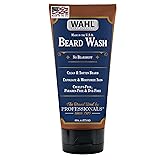
- Tame Your Beard – Wahl Beard Wash is formulated to keep facial hair & stubble clean & fresh without irritating the skin underneath. Our beard moisturizer keeps your beard healthy, soft, & well-conditioned; great for any length beard from stubble to long, thick beards
- High-Quality Ingredients – Our paraben and phthalate free formula contains the highest quality Sativa seed, jojoba, meadowfoam seed, olive, clove, and moringa, plus many other carefully selected oils chosen to relieve itchiness & dryness leaving your beard looking healthy & smelling manly
- The Wahl Blend – Featuring Manuka Oil, Meadowfoam Seed Oil, Clove Oil, Moringa Oil, & many other carefully selected oils chosen to relieve itchiness and dryness and leave your beard looking healthy and smelling fresh.