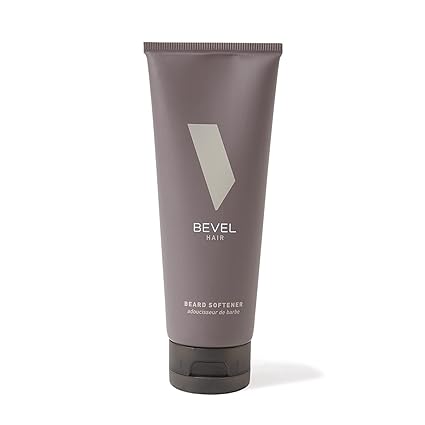
All products are selected by our Beard Stylish editors. If you buy something through our links as an Amazon Associate we earn from qualifying purchases.
If your beard feels wiry, looks dull, or makes your skin itch underneath, the problem almost certainly isn’t your genes — it’s missing moisture. A high-quality leave-in conditioner for beards is one of the most impactful products you can add to your grooming routine, and yet it remains one of the most overlooked.
Unlike a rinse-out conditioner, a beard leave-in conditioner stays on your facial hair throughout the day, continuously delivering hydration to both the hair shaft and the skin beneath it. The result? A noticeably softer beard, reduced beard dandruff (also called “beardruff”), less breakage, and a much more manageable style.
This guide covers everything: how leave-in conditioners actually work, what ingredients to look for, how beard type affects your choice, proper application technique, and honest answers to the most common questions. Whether you’re growing a full lumberjack beard or maintaining a short boxed style, this article will help you find the right product for your needs.
✦ ✦ ✦
What Is a Beard Leave-In Conditioner?
A beard leave-in conditioner is a moisturising treatment formulated specifically for facial hair that you apply and do not rinse out. It differs from standard hair conditioner in a critical way: the formula is designed for coarser, curlier hair fibres and for the more sensitive skin of the face, which produces less natural oil than the scalp.
The product typically comes in one of three forms — cream, spray, or oil-based lotion — each with slightly different textures, hold levels, and absorption rates. Creams tend to offer the most conditioning per application. Sprays are lightweight and ideal for finer or shorter beards. Oil-based formulas sit somewhere in between and often double as a light styling aid.
“Facial hair grows roughly six inches per year and endures daily friction, UV exposure, and environmental dryness. A leave-in conditioner is not a luxury; it is maintenance.”
How Leave-In Conditioner Benefits Your Beard
Understanding the science behind beard conditioning helps you choose a product that actually delivers, rather than one that simply smells good.
Hydrates the hair shaft from the inside out
Beard hairs are more porous than scalp hair, which means they absorb and lose moisture more quickly. Humectant ingredients like glycerin and panthenol draw water from the air and lock it into the hair cortex, reducing the brittle, straw-like texture many beard growers experience in winter months or dry climates.
Soothes beard itch and skin irritation
Beard itch — especially common during the first two to eight weeks of growth — is caused by dry skin flaking away from the follicle area. A leave-in conditioner with aloe vera, jojoba oil, or shea butter delivers sustained moisture to the skin underneath the beard, reducing flaking and that maddening urge to scratch.
Reduces breakage and split ends
Conditioning agents like hydrolysed keratin, argan oil, and amino acids form a thin protective layer around each hair strand. This barrier reduces friction between fibres, which is the primary cause of breakage in longer beards. Less breakage means greater length retention and a fuller appearance over time.
Improves manageability and style
A well-conditioned beard is dramatically easier to comb, brush, and shape. Leave-in conditioners also reduce static and frizz, two common complaints among men with naturally curly or coarse facial hair.
Key Benefits at a Glance
- Deep hydration that lasts throughout the day
- Relief from beard itch and dry skin underneath
- Reduced breakage, split ends, and frizz
- Improved softness and combing ease
- Support for beard growth by protecting follicle health
Key Ingredients to Look For
Reading an ingredient label can feel overwhelming, but a handful of compounds separate genuinely effective beard conditioners from glorified moisturisers in fancy packaging.
Argan oil
Often called “liquid gold,” argan oil is cold-pressed from the kernels of the Moroccan argan tree. It is exceptionally rich in oleic acid and vitamin E, penetrating the hair shaft quickly without leaving a greasy residue. It is the gold standard for dry, coarse beard hair.
Jojoba oil
Technically a wax ester, jojoba mimics the natural sebum your skin produces. This makes it particularly effective for moisturising the skin beneath the beard. It is non-comedogenic, meaning it won’t block pores — an important consideration for men prone to acne.
Shea butter
Shea butter is a heavyweight emollient packed with fatty acids. It works best in cream-based leave-in conditioners and is especially beneficial for thick, coarse, or kinky beard textures. It softens the outer cuticle layer of the hair, dramatically improving tactile softness.
Panthenol (Pro-Vitamin B5)
Panthenol is a humectant that binds moisture to the hair and penetrates the shaft to thicken and strengthen individual strands. Products containing at least one percent panthenol show measurable improvements in hair elasticity and tensile strength.
Aloe vera
Aloe vera’s polysaccharides form a lightweight, breathable film around the hair that seals in moisture without weighing the beard down. Its anti-inflammatory properties also make it excellent for calming irritated skin, making it ideal for beards growing over acne-prone or sensitive skin.
Choosing the Right Formula for Your Beard Type
No single formula suits every man. Your beard’s length, density, texture, and the climate you live in all influence which type of leave-in conditioner will serve you best.
Short to medium beards (under 2 inches)
Lightweight sprays and thin liquid formulas work best here. Heavy creams can make shorter beards look greasy and limp. Look for water-based leave-in conditioners with humectants like glycerin listed in the top five ingredients.
Long and thick beards (2 inches and beyond)
Cream-based or oil-infused leave-in conditioners offer the deep conditioning that long beard hair demands. Apply to damp hair after showering, working the product from root to tip with a wide-tooth comb or boar bristle brush to ensure even distribution.
Coarse or kinky beard textures
Men with naturally coarser or curlier facial hair — common in men of African, Middle Eastern, and South Asian descent — benefit most from rich formulas containing shea butter, castor oil, and coconut oil. These ingredients have a high affinity for the tightly coiled hair structure and deliver superior softening results.
Fine or straight beard hair
Fine beard hair is weighed down easily. Choose spray formulations with minimal oils and no silicones, which can cause product buildup over time. A leave-in conditioner with hydrolysed proteins will add volume while still delivering the conditioning you need.
How to Apply Beard Leave-In Conditioner Correctly
Application technique matters as much as the product itself. Incorrect use reduces effectiveness and can lead to buildup, greasiness, or patchy conditioning.
Step 1 — Wash your beard. Apply your leave-in conditioner to a clean, freshly washed beard. Dirt, sebum, and styling product residue on the hair shaft prevent the conditioning ingredients from penetrating effectively.
Step 2 — Pat dry, not rub dry. Gently pat the beard with a clean towel until it is damp but not dripping wet. Applying leave-in conditioner to soaking-wet hair dilutes the formula; applying it to completely dry hair reduces absorption.
Step 3 — Dispense a conservative amount. For a short to medium beard, a five-cent-piece-sized amount of cream, or three to four sprays, is typically sufficient. For longer beards, scale up gradually. It is always easier to add more than to correct over-application.
Step 4 — Work it through evenly. Emulsify the product between your palms, then work it through the beard in a downward stroking motion. Follow up with a wide-tooth comb to distribute the conditioner from root to tip, ensuring no section is missed.
Step 5 — Style as usual. Once the leave-in conditioner has absorbed (roughly two to three minutes), apply your beard balm or wax if desired. The conditioner acts as a primer, making other styling products easier to work with and longer-lasting.
Pro Application Tips
- Apply daily for best results, ideally after your morning shower
- Less is more — start small and build up to find your ideal amount
- Use a boar bristle brush to distribute product and stimulate the skin
- In winter, slightly increase quantity to compensate for dry indoor air
Leave-In Conditioner vs. Beard Oil vs. Beard Balm
One of the most common points of confusion in beard grooming is understanding how these three product types differ and whether you need more than one. The short answer: they serve complementary, not overlapping, roles.
Beard leave-in conditioner is the deepest conditioning treatment of the three. It penetrates the hair shaft and treats the skin below the beard. Think of it as the foundation of your routine.
Beard oil works primarily on the surface of the hair and the top layer of skin. It adds shine, fragrance, and a lightweight softness. It is less effective at penetrating the hair shaft than a dedicated conditioner, but excellent for daily maintenance in mild conditions.
Beard balm combines light conditioning with styling hold. It contains waxes (typically beeswax) that give structure to the beard. It is best applied after a leave-in conditioner, not instead of one.
“Think of your beard routine like skincare: cleanser first, then treatment, then moisturiser. Leave-in conditioner is your treatment step — the one most men skip, and the one that makes the biggest difference.”
Frequently Asked Questions
How often should I use leave-in conditioner on my beard?
Daily use is recommended for most beard types. Men with particularly fine or straight facial hair may find every other day sufficient, while men in dry climates or with coarse textures may benefit from applying twice daily — once after showering and once before bed. Monitor how your beard feels and adjust accordingly; well-conditioned beard hair feels soft but not heavy or greasy.
Can I use regular hair conditioner on my beard?
You can use rinse-out hair conditioner on your beard occasionally, but it is not a substitute for a dedicated beard leave-in conditioner. Regular hair conditioners are formulated for scalp hair, which is finer and less coarse than facial hair. They also contain ingredients that are not designed to be left on facial skin throughout the day, which can cause irritation or clogged pores over time. Beard-specific leave-in conditioners use ingredients that are safe for prolonged skin contact.
Will leave-in conditioner help my beard grow faster?
Leave-in conditioner does not directly accelerate beard growth, as growth rate is primarily determined by genetics and testosterone levels. However, it supports the conditions necessary for maximising your beard’s growth potential. By reducing breakage, preventing split ends, and keeping the follicle environment healthy, leave-in conditioner helps you retain the length you grow rather than losing it to damage. The result is a longer, fuller beard over time.
What causes beard itch, and can leave-in conditioner help?
Beard itch has two primary causes. In new growth (the first four to eight weeks), the sharpened tips of recently shaved hairs curl back and irritate the skin as they grow out. As growth continues, this phase passes. The second, more persistent cause is dry skin beneath the beard, which leads to flaking and itching at any beard length. A leave-in conditioner addresses the second cause directly, delivering sustained moisture to the skin and significantly reducing beard dandruff and irritation within one to two weeks of consistent use.
Are there any ingredients I should avoid in beard conditioners?
Yes. Sulphates (such as sodium lauryl sulphate) should be avoided in any beard product applied to the face, as they strip the skin’s natural oils. Synthetic alcohols like denatured alcohol or ethanol cause dryness and are sometimes used as fillers in cheaper formulas. Heavy silicones such as dimethicone can coat the hair strand without penetrating it, leading to product buildup that dulls the beard over time. Opt for water-based or naturally derived formulas with recognisable, functional ingredients.
Can I make a DIY leave-in conditioner for my beard at home?
A basic DIY leave-in conditioner can be made by combining one part aloe vera gel, one part distilled water, a few drops of jojoba oil, and optionally a few drops of essential oil such as cedarwood or peppermint for fragrance. However, commercial formulas typically contain emulsifiers, preservatives, and scientifically dosed active ingredients that are difficult to replicate at home. DIY options are a reasonable short-term solution but lack the stability and efficacy of properly formulated products.
Is leave-in conditioner suitable for men with acne-prone skin?
Yes, provided you choose a non-comedogenic formula. Look for leave-in conditioners that are water-based and contain jojoba oil or aloe vera rather than heavy emollients like shea butter or coconut oil, which may block pores for some skin types. If you are managing active acne, apply the conditioner carefully to the hair itself rather than working it deep into the skin, and look for formulas with tea tree oil, which has mild antibacterial properties.
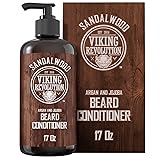
- Top-tier Beard Conditioner: Formulated to aid in healthy beard growth, this beard conditioner hydrates, cleans and softens, giving your beard shine and life.
- No Itching or Irritation: Say goodbye to itchy irritated skin and get rid of beard dandruff. Condition your beard, and look and feel great.
- Mousturized Beard: Our beard conditioner deeply nourishes and moisturizes. After cleansing, with just a little beard conditioner in your hand, massage into your beard and let the rich ingredients do the rest. Rinse afterwards.