All products are selected by our Beard Stylish editors. If you buy something through our links as an Amazon Associate we earn from qualifying purchases.
Most men reach for whatever soap is in the shower. For body skin, that’s fine. For a beard, it’s a slow-motion disaster. Regular bar soaps and body washes strip natural oils from the skin beneath your beard — the sebum your follicles produce to keep facial hair soft, manageable, and healthy.
The skin under a beard is already prone to dryness, flaking (beard dandruff, or “beardruff”), and irritation. A harsh soap accelerates all of that. Beard-specific soap is formulated to cleanse facial hair and the skin beneath it without disrupting the moisture barrier — and that distinction drives every buying decision that follows.
What Makes a Soap Good for Beards?
Ingredient Profile
The best beard soaps share a common formulation philosophy: clean without stripping.
Glycerin is the cornerstone ingredient. It’s a humectant — it draws moisture from the air into the skin and hair shaft, keeping both hydrated after washing. Cold-processed soaps naturally retain glycerin during saponification; commercial bar soaps often have it removed and sold separately.
Natural oils — argan, jojoba, castor, sweet almond, and coconut — condition beard hair as the soap works. Jojoba oil closely mimics human sebum, making it particularly effective for under-beard skin. Argan oil adds shine and reduces coarseness without heavy residue.
Shea butter adds an extra layer of conditioning and is especially valuable for men with coarse or curly beard hair, where dryness and breakage are more common.
Activated charcoal appears in beard soaps marketed for detoxifying, drawing out buildup from beard balms, waxes, and environmental pollutants. It’s particularly useful for men who use heavy styling products daily.
Essential oils serve dual purposes: fragrance and therapeutic skin benefits. Tea tree oil is antimicrobial and helps combat beard itch and folliculitis. Eucalyptus calms irritated skin. Peppermint stimulates blood flow to follicles.
What to Avoid
- Sulfates (SLS/SLES): Create lather but aggressively strip oils. A high-lather beard soap is not inherently better.
- Synthetic fragrances: Common trigger for contact dermatitis under beard hair where skin is already sensitive.
- Parabens and formaldehyde-releasing preservatives: Associated with skin irritation and hormonal disruption.
- Alcohol (denatured): Dries both hair and skin, counteracting every other ingredient in the formula.
Beard Soap vs. Beard Wash vs. Regular Soap: Key Differences
| Factor | Regular Soap | Beard Wash | Beard Soap |
|---|---|---|---|
| pH Level | Often alkaline (9–10) | Balanced (5–6) | Balanced (5–7) |
| Oil Stripping | High | Low | Low to moderate |
| Conditioning Agents | None | Added conditioners | Natural oils/butters |
| Format | Bar or liquid | Liquid | Bar or soft bar |
| Lather | Heavy | Moderate | Moderate |
Beard wash (liquid) is easier to distribute through thick, long beards. Beard soap bars are more economical, travel-friendly, and often contain fewer synthetic preservatives since the bar format doesn’t require them.
How to Choose Beard Soap Based on Beard Type and Skin
Short beards (stubble to 1 inch): The soap comes into more direct skin contact. Prioritize formulas with anti-inflammatory ingredients like aloe vera, calendula, or oat extract. Fragrance-free options reduce the risk of irritation on sensitized skin from frequent shaving at the beard edges.
Medium beards (1–3 inches): Balance between skin care and hair conditioning matters most. Look for soaps with jojoba or argan oil that penetrate the hair shaft rather than just coating it.
Long or thick beards (3+ inches): Penetration and distribution are the challenge. Softer soap bars or liquid beard washes are easier to work through dense hair. Castor oil-based formulas add slip, making the soap easier to rinse thoroughly.
Dry or flaky skin: Choose soaps with shea butter and glycerin as the top conditioning ingredients. Avoid any soap with clay or charcoal as the primary active — those are better suited for oily skin types.
Oily skin under beard: Activated charcoal or kaolin clay beard soaps absorb excess sebum without over-drying. Use no more than 3–4 times per week to avoid rebound oil production.
Sensitive or acne-prone skin: Fragrance-free, cold-processed formulas with minimal ingredients. Tea tree oil provides antimicrobial benefit without the synthetic fragrance burden.
How to Use Beard Soap Correctly
- Wet your beard thoroughly with warm water — not hot. Hot water opens the hair cuticle too aggressively and accelerates oil stripping.
- Work the soap between your palms to build a light lather before applying to your beard.
- Massage down to the skin using fingertips in circular motions. The goal is to reach the skin beneath, not just coat the surface hair.
- Rinse completely. Soap residue left on the skin is a leading cause of beard itch and flaking.
- Pat dry — never rub. Rubbing creates frizz and physical damage to the cuticle.
- Follow with beard oil or balm while the beard is still slightly damp to lock in moisture.
Washing frequency: 2–4 times per week is the evidence-backed standard for most beard types. Daily washing, even with a gentle soap, outpaces the skin’s sebum production and leads to chronic dryness.
What Dermatologists and Grooming Experts Say
Board-certified dermatologists consistently recommend pH-balanced, sulfate-free cleansers for facial hair — the same principle that guides beard soap formulation. The skin beneath a beard is functionally identical to facial skin; it responds to the same irritants and benefits from the same gentle-cleansing approach used in skincare.
Grooming professionals with experience in barbering note that the most common beard problems they see — beardruff, itching, patchy growth from follicle inflammation — trace back to poor cleansing habits, either over-washing or using the wrong products. The right beard soap addresses both the hair shaft and the skin microbiome beneath it.
Frequently Asked Questions
Can I use regular bar soap on my beard? Regular bar soap can be used occasionally without catastrophic damage, but habitual use strips the natural oils that keep beard hair soft and skin healthy. The alkaline pH of most commercial soaps disrupts the skin’s acid mantle, leading to dryness, itching, and increased vulnerability to irritation over time.
How often should I wash my beard with soap? Two to four times per week is appropriate for most men. Men with oily skin or who work in dusty or polluted environments may wash more frequently; men with dry skin or short beards should stay on the lower end. On non-wash days, rinsing with warm water and massaging with beard oil maintains cleanliness without disruption.
Is beard soap the same as beard shampoo? They serve the same purpose but differ in format and formulation. Beard shampoo is liquid and mirrors hair shampoo — easier to distribute in longer beards. Beard soap is a bar format. Both should be sulfate-free and pH-balanced; beard shampoos often include additional conditioning agents similar to a 2-in-1 formula.
Can beard soap help with beard itch? Yes, when the itch is caused by dry skin or product buildup — which accounts for the majority of beard itch cases. Soaps containing tea tree oil, aloe vera, or colloidal oatmeal are particularly effective for itch relief. If itch persists after switching to a proper beard soap, consult a dermatologist to rule out contact dermatitis, seborrheic dermatitis, or folliculitis.
What is the best soap for beard growth? No soap directly stimulates beard growth — that’s determined by genetics and hormones. However, maintaining a healthy skin environment through proper cleansing removes buildup that can block follicles and create the conditions for optimal growth. Soaps with peppermint oil improve circulation to follicles, which may support a healthier growth environment.
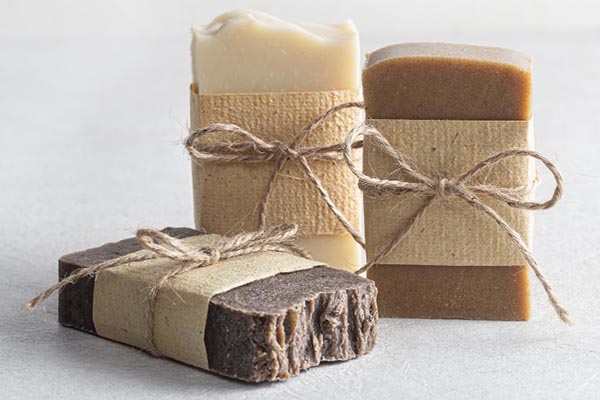
Are handmade or artisan beard soaps better than commercial ones? Cold-processed artisan soaps retain naturally occurring glycerin and often use higher concentrations of conditioning oils. That said, quality varies widely among independent makers. Evaluate artisan soaps by their ingredient list, not their aesthetic packaging. A well-formulated commercial beard soap outperforms a poorly made artisan one.
Can women use beard soap? Beard soap is formulated for coarse facial hair and the skin beneath it — but the ingredients translate well to any body area with similar needs: dry elbows, leg skin prone to irritation from shaving, or any area needing gentle cleansing with conditioning support. There’s no gender-specific barrier to use.
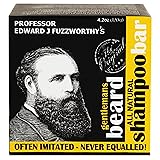
- Voted #1 best beard shampoo | Highest rated, best price and highest quality!
- Beard shampoo soap bar equal ~ 27 fl oz – 3 liquid bottles! Long lasting – Eco friendly & Travel friendly!
- MASCULINE woody scent | Organic premium ingredients for anti-itch, beard softener and to promote faster thicker beard growth – found only on Australia’s wild Island, Tasmania