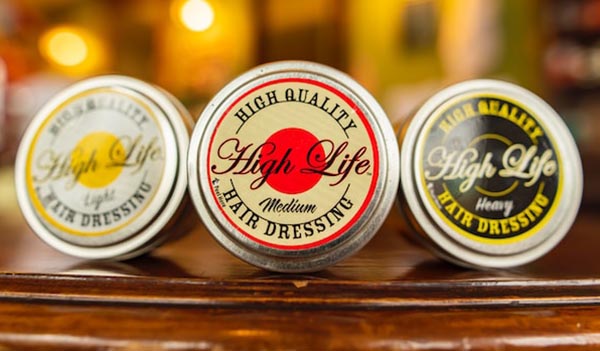
All products are selected by our Beard Stylish editors. If you buy something through our links as an Amazon Associate we earn from qualifying purchases.
Yes, pomade can work on beards — but with significant caveats. Pomade is primarily formulated for scalp hair, which differs in texture, coarseness, and sebum absorption from facial hair. Whether it’s effective depends on your beard type, the pomade’s formula, and what you’re trying to achieve. Understanding these variables prevents wasted product, breakouts, and beard damage.
What Is Pomade and How Does It Differ From Beard Products?
Pomade is a styling product traditionally made from wax, petroleum, or water-soluble polymers. It provides hold and shine, making it a staple for structured hairstyles like pompadours and slick-backs.
Beard-specific products — balms, waxes, and oils — are engineered differently. They typically contain:
- Carrier oils (argan, jojoba, sweet almond) that condition coarse facial hair
- Beeswax or shea butter for pliable hold without stiffness
- Essential oils for fragrance and skin health beneath the beard
Pomade skips most of these conditioning agents. That distinction matters because beard hair is structurally different from head hair — it’s terminal hair, typically coarser, curlier, and more porous. It also grows from skin that is more sensitive and acne-prone than the scalp.
Can You Use Hair Pomade on a Beard? Pros and Cons
Where Pomade Performs Well on Beards
Short, styled beards benefit most. If you have a close-cropped beard, stubble fade, or a shaped goatee, a light water-based pomade can tame flyaways and add definition without weighing hair down.
High-shine looks are achievable with pomade in ways most beard balms can’t replicate. If your grooming goal is a polished, slicked appearance, pomade delivers that aesthetic effectively.
Temporary styling is another strength. Water-based pomades wash out cleanly, making them suitable for occasional use without significant buildup risk.
Where Pomade Falls Short on Beards
Skin irritation is the primary concern. Petroleum-based pomades applied near the mouth and jaw can clog pores, triggering folliculitis or acne mechanica — especially for men with oily skin.
Dryness and brittleness result from repeated use. Without the conditioning agents in dedicated beard products, pomade strips moisture over time, leading to split ends and increased breakage in longer beards.
Product buildup occurs faster on facial hair due to its porous structure. Petroleum-based formulas are notoriously difficult to fully remove, potentially causing itching, flaking, and an unhealthy beard environment over time.
Fragrance sensitivities are amplified near the face. Many pomades contain synthetic fragrances that irritate the more sensitive facial skin and can trigger reactions when close to the nose and mouth throughout the day.
Which Type of Pomade Is Safest for Beard Use?
Not all pomades carry equal risk. Here’s how the main categories compare for beard application:
Water-based pomade — Best option for beard use. Easy to wash out, less likely to clog pores, and lighter in consistency. Look for formulas free from sulfates, parabens, and heavy synthetic fragrances.
Oil-based pomade — Moderate risk. Provides stronger hold and deeper shine but is harder to remove. Extended use can lead to buildup and skin congestion beneath the beard.
Petroleum/petrolatum-based pomade — Highest risk for beard application. The comedogenic properties of petrolatum make it poorly suited for facial use, particularly for those with acne-prone skin.
Clay-based pomade — Works reasonably well for textured beards. Clay provides matte hold and some oil absorption, which can actually be beneficial for men with naturally oily facial skin.
How to Apply Pomade to a Beard Correctly
If you decide to use pomade on your beard, technique reduces the risk of adverse effects:
- Start with a clean, dry beard. Applying to dirty hair traps bacteria and worsens buildup.
- Use a minimal amount. Begin with a pea-sized portion — far less than you’d use on head hair. Coarse beard hair picks up product quickly.
- Warm between palms first. Emulsify the pomade thoroughly so it distributes evenly without clumping.
- Work from underneath, not the surface. This coats the hair shaft and reduces surface buildup near skin.
- Comb through with a beard comb. A wide-tooth comb distributes product evenly and prevents patchiness.
- Wash out completely before bed. Never sleep with pomade in your beard — overnight skin contact significantly increases breakout risk.
Better Alternatives to Pomade for Beard Styling
For most men, dedicated beard styling products deliver superior results with fewer drawbacks:
Beard balm — The closest functional equivalent to pomade for beards. Provides light-to-medium hold, conditions hair, and moisturizes the skin underneath. Ideal for medium to long beards.
Beard wax — Higher hold than balm, suitable for shaping mustaches or taming stubborn beard sections. Contains beeswax for firm, workable control.
Beard oil — Not a styling product, but an essential conditioning step before any styling. Softens coarse hair and makes it more receptive to hold products.
Moustache wax — Highly concentrated hold for specific areas. More appropriate than pomade for sculpted facial hair styles.
Frequently Asked Questions
Can pomade cause beard hair loss? Pomade itself doesn’t directly cause hair loss, but prolonged use of heavy, petroleum-based formulas can contribute to follicle-clogging and inflammation (folliculitis), which may disrupt the hair growth cycle if left untreated.
Is pomade safe to use near the mouth? Water-based pomades in small amounts pose minimal risk. Petroleum-based formulas should be kept away from the lip area entirely — they’re not food-safe and can irritate mucous membranes.
How often can I use pomade on my beard? Occasional use — once or twice per week — is safer than daily application. Daily use significantly increases the risk of buildup, dryness, and skin irritation over time.
Will pomade make my beard shiny? Yes. Oil-based and petroleum-based pomades in particular create a high-gloss finish. Water-based versions offer a medium shine. If matte hold is your preference, a clay-based product is more appropriate.
Can I mix pomade with beard oil? Yes, and this is actually a common technique. Adding a drop or two of beard oil to pomade before emulsifying improves spreadability, adds conditioning properties, and reduces the drying effect of styling products on beard hair.
Does pomade work on curly beards? Water-based pomade can help define and control curly beard texture, but dedicated curl-enhancing beard creams typically perform better. They’re formulated to enhance the natural curl pattern rather than flatten or coat it.
How do I remove pomade from my beard completely? Use a dedicated beard wash or a gentle sulfate-free shampoo. Oil-based and petroleum pomades may require a pre-wash with a small amount of coconut or argan oil to break down the product before shampooing — a technique called oil cleansing.

- VITAMIN E & BIOTIN: Infused with Vitamin E & Biotin, this pomade supports healthy & strong hair that’s ready to conquer the day!
- EFFORTLESS LOOKING HAIR: Medium hold & matte finish gives you great looking hair that doesn’t look overdone that says, “I woke up like this”—but actually, you styled it with Old Spice.
- HEALTHY, SOFT & STYLISH: Get an effortlessly cool look with touchably soft hair that is defined but not crunchy, stiff, heavy, or clumpy. Leaves no visible residue.