All products are selected by our Beard Stylish editors. If you buy something through our links as an Amazon Associate we earn from qualifying purchases.
If you have a beard, washing it with regular body soap or shampoo is one of the worst things you can do for your skin and hair. Face soap for beards is a purpose-built solution designed to clean both your facial hair and the skin underneath — without stripping essential oils or causing beard itch, flakiness, and breakage. This guide covers everything you need to know to choose and use the right beard face wash effectively.
What Is Face Soap for Beards?
Face soap for beards — also called beard wash, beard cleanser, or beard face wash — is a mild, pH-balanced cleanser formulated specifically for facial hair and the skin beneath it. Unlike standard bar soaps or body washes, which have a high pH that disrupts the skin’s acid mantle, beard-specific face soaps are designed to:
- Remove dirt, sebum, food particles, and environmental pollutants from beard hair
- Cleanse the skin beneath the beard without over-drying
- Maintain the natural moisture balance of coarse facial hair
- Reduce beard dandruff (beardruff), itchiness, and ingrown hairs
Dermatologists and grooming specialists consistently recommend using a dedicated facial cleanser for bearded skin because the skin under a beard behaves differently than unbearded facial skin — it tends to accumulate more dead skin cells and sebum while receiving less natural exfoliation from shaving.
Why Regular Soap Is Bad for Your Beard
Standard soaps contain harsh surfactants like sodium lauryl sulfate (SLS) and high alkaline pH levels (typically pH 9–10), which strip the natural oils — called sebum — from both beard hair and facial skin. This leads to:
Beard itch and beardruff: When the skin beneath your beard is stripped of moisture, it becomes dry and flaky, creating the classic “beardruff” problem that affects a large percentage of bearded men, particularly during winter months.
Brittle beard hair: Coarse facial hair depends on natural oils to stay supple and manageable. Harsh soaps dehydrate the hair shaft, leading to split ends, frizz, and breakage.
Clogged follicles: Body soaps aren’t formulated to rinse cleanly from thick facial hair, leaving residue that blocks hair follicles and can trigger beard acne or folliculitis.
A purpose-formulated beard face soap maintains a pH closer to 5.5 — matching the skin’s natural acid mantle — and uses gentler surfactants that lift dirt without depleting the moisture barrier.
Key Ingredients to Look for in Beard Face Soap
When evaluating beard cleansers, prioritize formulations that contain:
Glycerin: A humectant that draws moisture into the skin and hair shaft, preventing the dryness that causes beard itch.
Aloe vera: Soothes irritated skin beneath the beard and provides light conditioning without heaviness.
Tea tree oil: A natural antimicrobial ingredient that combats the bacteria and fungi responsible for beardruff and beard acne. Look for concentrations of 1–5% for effectiveness without irritation.
Argan oil or jojoba oil: Both mimic the composition of sebum, replenishing what the cleanser removes and leaving beard hair soft and conditioned.
Shea butter: Provides emollient conditioning properties ideal for coarser, denser beard types.
Avoid: Sodium lauryl sulfate (SLS), artificial fragrances (which cause contact dermatitis in sensitive skin), and alcohol-based formulas, which are excessively drying.
How to Wash Your Beard Properly
Proper beard washing technique matters as much as the product itself. Washing too frequently or incorrectly can negate the benefits of even the best beard face soap.
Step 1 — Wet thoroughly. Use warm (not hot) water to fully saturate your beard. Hot water opens the cuticle excessively and contributes to dryness.
Step 2 — Apply beard soap. Dispense a small amount (about the size of a 10-cent coin) into your palm. Lather between your hands first, then work into your beard using your fingertips — not your nails.
Step 3 — Massage down to the skin. Work the cleanser through to the skin beneath, using circular motions to loosen dead skin cells, sebum buildup, and debris from hair follicles.
Step 4 — Rinse completely. Rinse with cool water to help close the hair cuticle and reduce frizz. Ensure no product residue remains at the base of the beard near the skin.
Step 5 — Pat dry, don’t rub. Use a clean towel to gently pat the beard dry. Rubbing creates friction that roughens the hair cuticle and causes frizz.
Step 6 — Apply beard oil or balm immediately. While the beard is still slightly damp, apply beard oil to lock in moisture before it evaporates.
Washing frequency: For most beard lengths and skin types, washing two to three times per week is optimal. Daily washing — even with a gentle formula — can disrupt the skin’s natural oil production.
Face Soap for Beards vs. Regular Face Wash: What’s the Difference?
| Feature | Beard Face Soap | Regular Face Wash |
|---|---|---|
| pH Level | ~5.5 (balanced) | Varies (often too alkaline) |
| Surfactant type | Gentle (coco glucoside, etc.) | Often SLS/SLES |
| Hair conditioning | Yes | Rarely |
| Skin hydration | Prioritized | Variable |
| Suitable for under-beard skin | Yes | Sometimes too harsh |
Standard face washes are designed for skin without a significant hair covering. They don’t account for the density of a beard, which means they can’t reach the skin effectively or rinse out cleanly. Beard-specific cleansers have thinner consistencies and faster-rinsing formulas that penetrate through facial hair to the skin surface.
Beard Length and Soap Selection
Different beard lengths have different cleansing needs:
Stubble (1–5mm): The skin is still largely exposed and prone to irritation. Use a lightweight gel-based beard face soap with calming ingredients like niacinamide or chamomile.
Short beard (1–3cm): Balanced cleansing is key. Look for a cream or foam formula with humectants to address early-stage beard itch.
Medium beard (3–6cm): Sebum buildup becomes a more significant issue. Formulations with salicylic acid at low concentrations (0.5%) can help keep follicles clear.
Long or full beard (6cm+): Prioritize deeply hydrating formulas with conditioning oils. A thicker, cream-based beard soap ensures adequate penetration and moisture retention throughout the hair shaft.
Beard Face Soap and Skin Conditions
Men with specific skin conditions need to exercise additional care when selecting a beard cleanser.
Sensitive skin: Choose fragrance-free, hypoallergenic formulations with minimal active ingredients. Patch test on your jawline before full application.
Oily skin: Look for formulas containing kaolin clay or activated charcoal, which absorb excess sebum without over-stripping.
Dry or eczema-prone skin: Prioritize cream cleansers with ceramides and fatty acids that reinforce the skin barrier beneath the beard.
Beard acne (folliculitis): Cleansers with benzoyl peroxide (2.5%) or tea tree oil are clinically supported for reducing bacterial counts on beard skin without the aggressive side effects of higher-concentration acne treatments.
Frequently Asked Questions
Can I use regular shampoo on my beard? No. Hair shampoos are formulated for scalp skin, which produces significantly more sebum than facial skin. Using scalp shampoo on your beard strips too much oil and leads to dryness, beardruff, and brittle hair. Always use a product formulated specifically for beard or facial hair.
How often should I wash my beard with face soap? Two to three times per week is the standard recommendation for most skin and beard types. Men who exercise heavily or work in dusty environments may wash more frequently, but should compensate with a more hydrating post-wash beard oil routine.
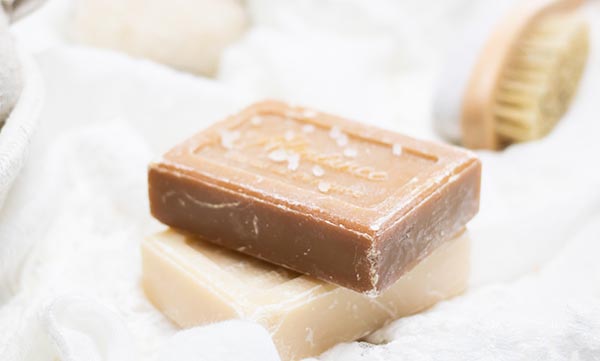
Is bar soap or liquid soap better for beards? Liquid beard soaps are generally preferred because they rinse more cleanly from beard hair and are easier to emulsify through thick facial hair. Artisan bar soaps specifically formulated for beards (cold-process, low-pH formulas) can be effective, but many commercially available bar soaps are too alkaline.
Can face soap for beards help with beard itch? Yes, significantly. Beard itch is primarily caused by dry skin and accumulated dead skin cells beneath the beard. A properly formulated beard face soap exfoliates these cells and hydrates the skin, directly addressing the root causes of itch. Pairing it with a beard oil containing anti-inflammatory ingredients like hemp seed oil or jojoba accelerates relief.
Should I wash my beard before or after shampooing my hair? Wash your beard before shampooing your hair. This prevents shampoo runoff — which is too harsh for beard skin — from contacting your freshly cleansed beard. Rinse your beard completely before proceeding with your hair washing routine.
Do I need both a beard face soap and a beard oil? These products serve different functions and work best together. The soap cleanses; the oil conditions and seals moisture into the hair shaft and skin. Using beard oil without cleansing allows product buildup. Using cleanser without follow-up oil leads to dryness. Both are part of a complete beard care routine.
Can I use face soap for beards on my head hair? Technically yes, but it’s not optimal. Beard soaps are formulated for the thicker, coarser texture of facial hair and the specific sebum production rates of facial skin. Scalp skin produces more oil and has different needs, so a dedicated scalp shampoo will outperform a beard soap for head hair care.
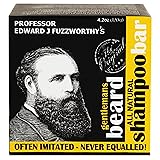
- Voted #1 best beard shampoo | Highest rated, best price and highest quality!
- Beard shampoo soap bar equal ~ 27 fl oz – 3 liquid bottles! Long lasting – Eco friendly & Travel friendly!
- MASCULINE woody scent | Organic premium ingredients for anti-itch, beard softener and to promote faster thicker beard growth – found only on Australia’s wild Island, Tasmania