All products are selected by our Beard Stylish editors. If you buy something through our links as an Amazon Associate we earn from qualifying purchases.
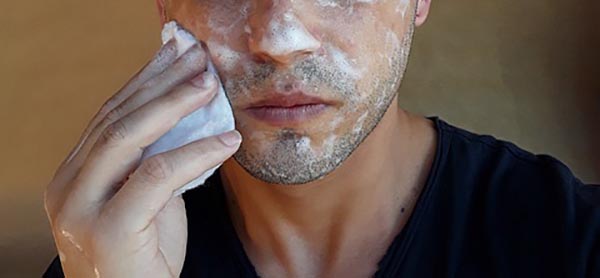
Face wash for beards refers to cleansers specifically formulated — or strategically selected — to clean both facial hair and the skin beneath it simultaneously. Unlike standard face washes designed for bare skin, beard-compatible cleansers account for the unique challenges of coarse hair follicles, trapped sebum, food debris, and the often-neglected skin underneath a full beard.
The skin beneath a beard is a microenvironment. It produces sebum, sheds dead cells, and is prone to a specific condition called “beardruff” — beard dandruff caused by a dry, irritated dermis. A proper beard face wash addresses both the hair shaft and the dermal layer without stripping natural oils that keep facial hair soft and manageable.
Why Regular Face Wash Isn’t Enough for Bearded Skin
Most conventional face washes contain sulfates such as sodium lauryl sulfate (SLS) or sodium laureth sulfate (SLES). These surfactants are effective at removing oil from bare skin, but on bearded skin they cause two compounding problems:
- They strip the beard’s natural oils, leaving facial hair dry, brittle, and prone to breakage.
- They don’t penetrate the beard canopy effectively, meaning debris and bacteria accumulate at the skin surface.
Dermatologists and trichologists — specialists in hair and scalp health — consistently note that bearded individuals experience higher rates of folliculitis (infected hair follicles) and seborrheic dermatitis when using harsh cleansers not formulated for hair-covered skin. Choosing the right beard face wash is a clinical decision as much as a cosmetic one.
Key Ingredients to Look for in a Beard Face Wash
Understanding what goes into a high-performing beard cleanser helps you evaluate products beyond marketing claims.
Glycerin and Humectants Glycerin draws moisture into the skin and hair shaft. A beard face wash with glycerin leaves both skin and facial hair hydrated rather than tight and dry after rinsing.
Aloe Vera Aloe vera contains polysaccharides and glycoproteins that soothe irritated skin beneath dense beard growth. It also carries mild antimicrobial properties that help control beard odor and bacteria buildup.
Tea Tree Oil A well-studied antifungal and antibacterial botanical ingredient. Beard face washes containing tea tree oil are particularly effective against Malassezia, the fungus responsible for beardruff. Concentrations between 1–5% are effective without causing irritation.
Argan Oil or Jojoba Oil These carrier oils condition the beard mid-cleanse, compensating for any natural oil displacement. Jojoba oil is structurally similar to human sebum, making it an ideal conditioning agent for the beard follicle environment.
Panthenol (Pro-Vitamin B5) Penetrates the hair shaft and improves moisture retention. Beard face washes with panthenol produce noticeably softer, more manageable facial hair over time.
Ingredients to Avoid
- Sulfates (SLS, SLES) — overly stripping
- Denatured alcohol — dries skin and hair
- Synthetic fragrance (parfum) — common irritant for skin under beard coverage
- Parabens — increasingly linked to hormonal disruption in long-term dermal exposure studies
How to Wash Your Beard Properly: Step-by-Step
Proper technique is as important as product selection. Using a great beard face wash incorrectly will still produce suboptimal results.
Step 1: Wet thoroughly with warm water. Hot water opens the hair cuticle excessively and can cause moisture loss post-wash. Warm water is sufficient to soften the beard and open pores for effective cleansing.
Step 2: Apply a coin-sized amount of beard face wash to your palms. Short beards may need less; beards longer than 3 inches will require slightly more to ensure thorough coverage.
Step 3: Work the cleanser down to skin level. Use your fingertips — not your palms — to massage the cleanser through the beard and onto the skin. Circular motions exfoliate the dermis, dislodge trapped sebum, and stimulate blood circulation around follicles.
Step 4: Let it sit for 30–60 seconds. Allow active ingredients to interact with the skin. This step is commonly skipped but significantly improves the efficacy of functional ingredients like tea tree oil and salicylic acid.
Step 5: Rinse thoroughly with cool water. Cool water closes the hair cuticle, adding shine and reducing frizz. Ensure all cleanser residue is removed — buildup is a leading cause of beard itch and irritation.
Step 6: Pat dry with a clean microfiber towel. Rubbing creates friction that damages hair cuticles and irritates skin. Pat only.
Step 7: Follow with beard oil or beard balm within 60 seconds. This window, while skin is still slightly damp, is optimal for locking in moisture with an oil-based product.
How Often Should You Use Face Wash on Your Beard?
Frequency depends on beard length, skin type, and lifestyle.
- Short beards (stubble to 1 inch): Daily cleansing is appropriate. Shorter beards have less canopy coverage, so skin is more exposed and accumulates debris faster.
- Medium beards (1–3 inches): Every other day, or daily if working in environments with dust, cooking odors, or outdoor pollutants.
- Long beards (3+ inches): Two to three times per week. Over-washing long beards accelerates moisture loss and increases beardruff risk.
On non-wash days, rinse the beard with warm water during showering to remove surface-level dust and sweat without disturbing the sebum layer.
Face Wash vs. Beard Shampoo: What’s the Difference?
This is one of the most searched questions in the beard care category, and the answer matters.
Beard shampoo is formulated primarily for the hair shaft. It targets oil, product buildup, and environmental residue within the beard itself. The pH of beard shampoo typically sits between 4.5 and 5.5 — aligned with the natural pH of hair.
Beard face wash is designed to clean both skin and beard simultaneously. It balances the needs of both the dermis (which prefers a slightly higher pH of around 5.5) and the facial hair. It typically contains more skin-focused active ingredients like niacinamide, salicylic acid, or ceramides.
For most men, a beard face wash is the practical daily-use choice. Beard shampoo is the better option for deep-cleaning sessions once or twice a week on longer beards with significant product buildup.
Beard Skin Conditions That the Right Face Wash Can Improve
Beardruff (Seborrheic Dermatitis of the Beard) Characterized by white or yellowish flakes on the beard and skin underneath. Caused by fungal overgrowth and excess sebum production. A beard face wash containing zinc pyrithione or tea tree oil directly addresses the fungal component.
Beard Itch Most common in the early growth phase and in men using harsh cleansers. The right moisturizing face wash eliminates the dryness that causes itch, particularly in the 2–6 week growth window.
Folliculitis Inflammation or infection of hair follicles. A cleanser with antibacterial properties — particularly those containing benzoyl peroxide at low concentrations or tea tree oil — reduces bacterial load around follicles.
Ingrown Hairs Common along the neckline and cheeks. Face washes with salicylic acid provide gentle chemical exfoliation that prevents dead skin from trapping emerging hairs.
Frequently Asked Questions
Can I use regular face wash on my beard? You can, but it’s not optimal. Regular face washes are formulated for bare skin and frequently contain surfactants that strip the natural oils beard hair depends on for softness and health. Over time, this leads to dryness, breakage, and increased beardruff.
Is beard wash the same as beard shampoo? Not exactly. Beard shampoo focuses on cleansing the hair shaft. Beard face wash addresses both the skin and the hair simultaneously. For men with shorter or medium-length beards, a beard face wash is the more practical all-in-one solution.
Should I wash my beard every day? Short beards can handle daily washing. Medium to long beards do better with washing 2–3 times per week to prevent stripping essential oils. On off-days, a warm water rinse is sufficient.
What causes beard itch, and can face wash fix it? Beard itch is primarily caused by dry skin beneath the beard and sharp hair tips that curl back toward the skin. Using a hydrating beard face wash eliminates the dryness component. For ingrown-related itch, a cleanser with salicylic acid adds exfoliation that reduces the problem at its source.
Can face wash help beard growth? Indirectly, yes. Clean follicles are healthy follicles. Removing sebum buildup, dead skin cells, and bacterial debris from around hair follicles creates better conditions for unobstructed beard growth. Face wash doesn’t stimulate new growth, but it removes the environmental obstacles that impede it.
What’s the best face wash for men with sensitive skin under their beard? Look for fragrance-free, sulfate-free formulas with minimal active ingredients. Cleansers built around ceramides, glycerin, and colloidal oatmeal are well-tolerated by sensitive skin and provide effective cleansing without triggering inflammation or redness.
Do I need separate products for my beard and my face? Not necessarily. A quality beard face wash handles both functions. Where a two-product routine becomes worthwhile is for men with long beards who want a dedicated deep-cleanse shampoo for the beard paired with a targeted face wash for the skin at the perimeter.

- CLEANSE AND NOURISH YOUR BEARD: Our Beard + Face Wash for men gently cleanses beard hair and the skin beneath, helping remove buildup and bearddruff flakes. Designed for any length of beard or scruff, it helps soften facial hair while supporting healthy-looking skin.
- WARM, SOPHISTICATED SCENT: Inspired by aged whisky barrels and smooth bourbon spice, this scent settles in warm and easy without overpowering.
- COMPLETE BEARD CARE IN THREE EASY STEPS: Cleanse with Beard + Face Wash. Hydrate with Beard Oil or Beard and Scruff Face Lotion. Then use Beard Butter to soften and condition with a light hold for all-day control.