All products are selected by our Beard Stylish editors. If you buy something through our links as an Amazon Associate we earn from qualifying purchases.
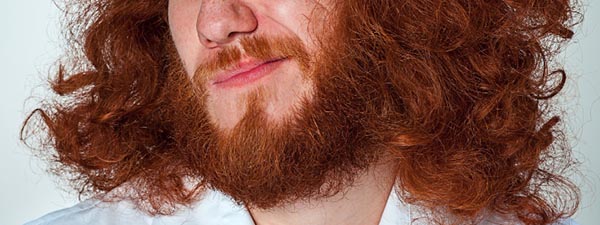
Wiry beards are genetically coarser, curlier, and more resistant to styling than softer beard types. The hair shaft itself is thicker and more elliptical in cross-section, causing it to curl back on itself, trap dead skin cells, and resist moisture absorption. Without the right grooming routine, a wiry beard becomes dry, itchy, and unruly — but with targeted care, it can look sharp, feel soft, and grow healthier than almost any other beard type.
What Makes a Beard Wiry?
Beard texture is largely determined by follicle shape. Round follicles produce straight hair; oval or asymmetrical follicles produce coarse, curly, wiry strands. This affects how the beard retains moisture (poorly), how it responds to products (selectively), and how quickly it becomes frizzy (very quickly).
Wiry beard characteristics include:
- High porosity — absorbs moisture fast but loses it just as fast
- Prone to ingrown hairs and beard pimples
- Resistant to laying flat without product
- More susceptible to split ends and breakage
- Requires heavier emollients than fine or medium beard types
Understanding this biology is the foundation of every effective wiry beard grooming tip.
Daily Beard Washing: Less Is More
Over-washing is one of the most common mistakes men with coarse beards make. Washing with regular shampoo or soap daily strips the natural sebum that keeps coarse beard hair pliable. For wiry beards, two to three washes per week with a sulfate-free beard wash is optimal.
When washing:
- Use lukewarm water — hot water exacerbates dryness and frizz
- Massage the wash into the skin beneath the beard, not just the hair
- Rinse thoroughly to prevent product buildup, which stiffens wiry strands further
On non-wash days, rinse with water and apply a small amount of beard oil to maintain hydration without disrupting the skin’s microbiome.
Beard Oil vs. Beard Balm: Which Does Wiry Beards Need?
Both — but used correctly and at different stages of your routine.
Beard oil should be applied immediately after washing while the beard is still slightly damp. The carrier oils (argan, jojoba, sweet almond) penetrate the hair shaft when the cuticle is open, locking in moisture before it evaporates. For a wiry beard, apply 6–10 drops depending on length, working from the skin outward.
Beard balm contains beeswax or shea butter in addition to oils, giving it hold properties that beard oil lacks. Apply beard balm over dried oil to seal moisture in and add light control. The wax component helps coarse, unruly strands stay directional without making the beard stiff or crunchy.
Beard butter — a softer product between the two — works well for men with medium-length wiry beards who want conditioning without visible hold.
How to Soften a Wiry Beard
Softening a coarse beard requires consistent effort across multiple touchpoints:
1. Deep Condition Weekly Use a beard conditioner or a small amount of hair conditioner formulated for coarse or curly hair. Apply after washing, leave on for 3–5 minutes, then rinse. This temporarily relaxes the cuticle and significantly improves manageability.
2. Boar Bristle Brush Training A boar bristle brush does two things: it redistributes natural sebum from the skin along the entire length of each hair strand, and it trains wiry hairs to grow in a consistent direction over time. Brush daily, working with the grain of beard growth.
3. Heat Styling with Caution A beard straightener or blow dryer on a low heat setting can temporarily relax wiry kinks. Always use a heat protectant spray or serum beforehand. Avoid high heat — coarse hair is resilient, but repeated high-heat exposure causes brittleness and split ends.
4. Diet and Hydration Biotin, zinc, and omega-3 fatty acids directly influence beard texture and health. Chronically dehydrated men consistently report coarser, more brittle facial hair. Drinking adequate water and eating nutrient-dense foods is a non-negotiable part of long-term beard softening.
Trimming and Shaping Wiry Beards
Wiry beards grow unevenly. Some areas may appear longer simply because individual hairs curl less, making them appear to extend further. Trimming requires a different approach than for straight beards.
Use sharp scissors for precision work. Blunt scissors crush the hair shaft, causing the split ends and frayed tips that make coarse beards look scraggly. Invest in barber-quality shears for any detail work around the mustache and cheek lines.
Trim when dry. Wiry beard hair appears longer when wet and springs back significantly when it dries. Trimming wet often results in a shorter result than intended.
Comb before you cut. Run a wide-tooth comb or beard comb through each section before trimming so you’re cutting hair in its natural state, not compressed against the face.
Fade the neckline cleanly. Wiry beard hairs on the neck can look particularly unkempt when the neckline is undefined. Keep the neckline two finger-widths above the Adam’s apple and fade the edges with a trimmer.
Managing Beard Itch and Ingrown Hairs
Coarse beard hair curls back into the skin more readily than fine hair, causing ingrown hairs and beard itch — particularly in the first few weeks of growth and after trimming.
- Exfoliate under the beard twice weekly using a gentle facial scrub or beard exfoliator. This lifts dead skin cells that trap curling hairs.
- Apply beard oil daily to the skin beneath the beard, not just the hair — dry skin under a wiry beard is the primary cause of persistent itch.
- Use an ingrown hair serum containing salicylic acid or glycolic acid on problem areas. These chemical exfoliants clear the follicle opening and prevent hairs from curling back under the skin.
- Avoid touching and scratching — transferring bacteria from hands to beard follicles worsens inflammation and causes beard acne.
The Weekly Wiry Beard Grooming Routine
| Day | Action |
|---|---|
| Monday | Wash with sulfate-free beard wash, apply oil + balm |
| Tuesday | Brush, apply oil |
| Wednesday | Wash, deep condition, apply oil + balm |
| Thursday | Brush, apply oil |
| Friday | Exfoliate skin, wash, apply oil + balm |
| Saturday | Trim and shape if needed |
| Sunday | Rest day — light oil or beard butter only |
Frequently Asked Questions
Q: How do I stop my wiry beard from being frizzy? Frizz in a wiry beard is almost always caused by moisture loss. Apply beard oil to a slightly damp beard immediately after washing, seal with a beard balm, and avoid towel-drying aggressively — pat dry instead. A boar bristle brush used daily also significantly reduces frizz over time by distributing natural oils evenly.
Q: Does beard oil actually soften coarse beard hair? Yes, but it requires consistency. Beard oils containing jojoba oil most closely mimic the skin’s natural sebum and penetrate coarse hair shafts effectively. Results are noticeable after 2–3 weeks of daily application.
Q: How often should I trim a wiry beard? Every 2–3 weeks for maintenance trimming to remove split ends and maintain shape. Full shaping sessions every 4–6 weeks depending on your desired style and growth rate.
Q: Can I use regular hair conditioner on my beard? Yes, occasionally. Conditioners formulated for coarse or curly hair work well as weekly deep conditioners for wiry beards. Avoid using them daily — they can clog follicles and cause beard dandruff with overuse.
Q: What is the best beard style for a wiry beard? Fuller beard styles — such as the Garibaldi, boxed beard, or natural full beard — work with wiry beard texture rather than against it. Very short stubble tends to accentuate coarseness, while length allows product to smooth and train the hair over time.
Q: Why does my beard feel wiry even after applying oil? Product application technique matters as much as the product itself. Oil must be applied to a slightly damp beard, massaged into the skin first, then worked through the hair. Applying oil to a completely dry beard on top of dry skin significantly reduces its effectiveness.

- Hand Crafted in the USA
- Organic Virgin Argan, Golden Jojoba and 6 More Premium Hydrating Oils
- All Natural and Organic Ingredients