
All products are selected by our Beard Stylish editors. If you buy something through our links as an Amazon Associate we earn from qualifying purchases.
Shea butter is a fat extracted from the nuts of the Vitellaria paradoxa tree, native to West and Central Africa. It has been used for centuries in skin and hair care across the continent, and modern cosmetic science has validated many of those traditional applications.
For beard growers, the question isn’t whether shea butter works in general — it’s whether the unique environment of facial hair and the skin beneath it responds well to its specific chemical profile. The short answer: yes, and significantly so. Here’s the full breakdown.
Is Shea Butter Good For Beards? The Direct Answer
Shea butter is excellent for beards. It moisturizes both beard hair and the skin underneath, reduces itchiness, softens coarse strands, and provides a light hold without greasiness. Its fatty acid profile — dominated by oleic acid (40–60%) and stearic acid (20–50%) — closely mimics the skin’s natural sebum, making it highly biocompatible for facial use.
Unlike many synthetic conditioning agents, shea butter is non-comedogenic at its natural concentration, meaning it hydrates without clogging pores — a critical property given that blocked follicles can impair beard growth.
The Key Benefits of Shea Butter for Beard Hair
1. Deep Moisturization of Beard Hair and Skin
Shea butter contains a high concentration of unsaponifiable fats — compounds that don’t convert to soap and instead penetrate the hair shaft and skin barrier. This deep conditioning action is particularly valuable for beard hair, which is structurally more porous and coarser than scalp hair due to its elliptical cross-section and exposure to environmental stressors.
When applied regularly, shea butter reduces transepidermal water loss (TEWL) in the skin beneath the beard — the primary cause of beardruff (beard dandruff) and flaking.
2. Reduces Beard Itch and Irritation
New beard growers almost universally experience the “itchy phase,” typically occurring two to four weeks in. This itchiness is caused by dry skin under the beard and sharp hair ends scraping the skin. Shea butter addresses both triggers: it replenishes moisture to the skin and softens the tips of emerging hairs so they irritate less.
Its anti-inflammatory compounds — including lupeol, a triterpene with documented anti-inflammatory properties — further reduce redness and skin sensitivity in the beard area.
3. Softens and Conditions Coarse Beard Hair
Beard hair tends to be wiry and difficult to manage, especially in the early growth stages. Shea butter’s stearic acid content acts as an emollient that fills gaps in the hair’s cuticle layer, resulting in smoother, softer strands that are easier to comb, shape, and style. This is why shea butter is a foundational ingredient in most professional beard balms and conditioners.
4. Supports Healthy Beard Growth
Healthy beard growth starts with a healthy skin environment. Shea butter contains vitamins A and E, both antioxidants that neutralize free radical damage from UV exposure and pollution — two factors that can damage hair follicles and slow growth cycles. Vitamin A also plays a role in regulating sebum production, which keeps follicles clear and functioning optimally.
There is no clinical evidence that shea butter directly stimulates new beard growth by itself, but its role in maintaining optimal scalp and follicle health creates the right conditions for growth to proceed unimpeded.
5. Tames and Styles Beard Hair Naturally
Raw and whipped shea butter provide a light, flexible hold that smooths flyaways and shapes the beard without the stiffness of waxes or the residue of synthetic pomades. It’s particularly effective on shorter to medium-length beards. For longer beards requiring firmer hold, shea butter works well as a base ingredient blended with beeswax or candelilla wax.
Shea Butter vs. Other Beard Oils and Balms
| Ingredient | Moisturizes Skin | Softens Hair | Hold | Non-Comedogenic | Natural |
|---|---|---|---|---|---|
| Shea Butter | ✅ High | ✅ High | Light | ✅ Yes | ✅ Yes |
| Jojoba Oil | ✅ High | ✅ Medium | None | ✅ Yes | ✅ Yes |
| Argan Oil | ✅ Medium | ✅ High | None | ✅ Yes | ✅ Yes |
| Coconut Oil | ✅ Medium | ✅ Medium | None | ⚠️ Variable | ✅ Yes |
| Beeswax | ❌ Low | ❌ Low | High | ✅ Yes | ✅ Yes |
Shea butter occupies a unique position in beard care: it delivers both conditioning and light styling simultaneously, reducing the number of products a groomer needs.
How to Use Shea Butter on Your Beard
Step 1: Start with a clean, slightly damp beard. Shea butter distributes more evenly and penetrates more effectively when hair has residual moisture from washing.
Step 2: Scoop a small amount. For short beards (under 1 inch), a pea-sized amount is sufficient. For medium to long beards, work up to half a teaspoon. Starting with too much leads to greasiness.
Step 3: Warm it in your palms. Shea butter melts at skin temperature (approximately 37°C/98.6°F). Rub it between your hands for 10–15 seconds until it becomes a thin, even oil.
Step 4: Work it through the beard. Apply from the skin outward, using fingertips to massage the product into the skin beneath the beard first, then distribute through the hair strands.
Step 5: Comb or brush through. Use a boar bristle brush or wide-tooth beard comb to distribute the product evenly and shape the beard.
Frequency: Daily use is safe and beneficial. Those with naturally oily skin may prefer every other day application.
Raw vs. Refined Shea Butter for Beards: Which Is Better?
Raw (unrefined) shea butter retains its full complement of vitamins, antioxidants, and bioactive compounds. It has a natural ivory or yellow color and a mild, nutty scent. For beard and skin care, raw shea butter is the superior choice due to its higher nutrient density.
Refined shea butter has been processed to remove color, scent, and some bioactive compounds. It’s visually cleaner and odorless, making it preferable as a cosmetic base when fragrance will be added, but it offers fewer therapeutic benefits.
Potential Downsides and Who Should Be Cautious
Shea butter is derived from tree nuts. Individuals with tree nut allergies — particularly latex-fruit syndrome — should perform a patch test before applying it to the beard area, as the skin there is in close contact with the lips and mouth.
Those with very oily or acne-prone skin in the beard zone should monitor for breakouts when starting use, particularly if applying heavily. The solution is typically reducing the amount used, not eliminating it entirely.
Frequently Asked Questions
Can shea butter help beard dandruff (beardruff)? Yes. Beardruff is primarily caused by dry skin and, in some cases, an overgrowth of the Malassezia yeast. Shea butter directly addresses the dry skin component. Its anti-inflammatory properties also reduce associated redness and irritation.
Does shea butter make your beard greasy? Using too much will result in greasiness. The key is starting with a very small amount — less than you think you need — and warming it completely in the palms before application. Properly applied, shea butter absorbs into beard hair and skin without leaving a heavy residue.
Can I use shea butter on a stubble beard? Absolutely. Shea butter is actually particularly useful during the stubble and early growth phases when skin irritation and itchiness are at their peak.
Is shea butter safe to use daily on my beard? Yes. Daily use is appropriate and beneficial for most beard types. The skin and hair in the beard area respond well to consistent moisturization, and shea butter is gentle enough for daily application.
Does shea butter expire, and how should I store it? Raw shea butter has a shelf life of approximately 18–24 months. Store it in a cool, dry place away from direct sunlight. A dark glass jar is ideal. Signs of spoilage include a rancid or unusual odor.
Will shea butter help with patchy beard growth? Shea butter does not stimulate follicle activation in areas that are not genetically programmed to grow hair. However, by maintaining optimal scalp and follicle health and reducing inflammation, it ensures that existing follicles perform at their best, which can improve the appearance of thinning or uneven areas over time.
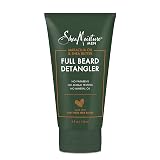
- Evens out complexion: This moisturizing beard detangler evens out complexion and makes it glossy and healthy
- Softer, smoother hair: Carrying goodness of Maracuja oil and Shea Butter, it makes the hair smoother and softer and enviably majestic
- Rejuvenates: Maracuja oil and Shea Butter promote cell growth and rejuvenate skin for a healthier complexion