All products are selected by our Beard Stylish editors. If you buy something through our links as an Amazon Associate we earn from qualifying purchases.
Choosing between waxing and shaving for facial hair removal isn’t just about preference — it directly affects your skin health, hair regrowth patterns, and long-term results. Both methods work, but they behave differently depending on your skin type, hair texture, and the facial area being treated. Here’s a detailed breakdown to help you make an informed decision.
How Each Method Works
Shaving uses a blade to cut hair at the skin’s surface. It’s quick, painless when done correctly, and immediately accessible. However, because it only removes hair above the skin, regrowth appears faster and can feel coarser due to the blunt cut edge.
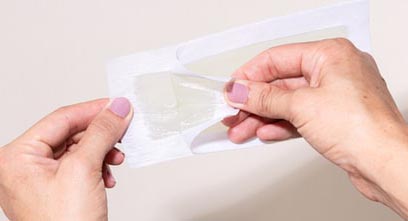
Waxing removes hair from the root using either soft wax or hard wax applied to the skin. Hard wax is typically recommended for facial hair, especially for sensitive zones like the upper lip, chin, and eyebrows, because it adheres to hair rather than skin, reducing trauma to delicate facial tissue.
Is Waxing Better Than Shaving for Your Face?
The answer depends on what you’re optimizing for.
Waxing is better if you want:
- Longer-lasting results (3–6 weeks vs. 1–3 days with shaving)
- Finer regrowth over time due to repeated follicle disruption
- Smoother skin surface with exfoliation built into the process
- Reduced frequency of hair removal sessions
Shaving is better if you want:
- A fast, low-cost, at-home option
- No risk of wax-related skin lifting or burns
- Immediate results without booking an appointment
- A method safe for active breakouts or post-procedure skin
A 2021 study published in the Journal of Dermatological Treatment found that repeated waxing over time can lead to progressively thinner and sparser hair regrowth — a benefit shaving cannot replicate.
Waxing Facial Hair: Key Benefits
1. Longer Hair-Free Periods Because waxing extracts hair from the root, it takes significantly longer for regrowth to become visible. Most people experience 3–6 weeks of smoothness, compared to 1–3 days with shaving.
2. Softer Regrowth Unlike shaved hair — which grows back with a blunt, stubbly edge — waxed hair tapers naturally at the tip. This creates softer regrowth that’s less visually noticeable between sessions.
3. Natural Exfoliation Waxing removes dead skin cells along with hair, leaving skin visibly smoother and more radiant immediately after treatment. This dual action is one reason many estheticians recommend waxing as part of a broader facial skincare routine.
4. Reduced Long-Term Hair Density Consistent waxing weakens the hair follicle over time. Many regular waxing clients report progressively less hair growth after months or years of treatment.
Shaving Facial Hair: Key Benefits
1. Zero Downtime Shaving causes no post-treatment redness beyond minor irritation in sensitive individuals and requires no recovery period.
2. Safe for Active Skin Conditions If you have active acne, rosacea flares, or post-chemical peel skin, shaving (with a clean, sharp blade and proper technique) is the safer option. Waxing over broken or inflamed skin can cause tearing, infection, and prolonged inflammation.
3. Accessibility and Cost At-home shaving requires only a razor and shaving gel. Professional waxing services for facial areas typically range from $15–$60 per session depending on location and area treated.
4. Dermaplaning Overlap Facial shaving for women — sometimes called dermaplaning when performed professionally — has become increasingly popular for removing vellus hair (peach fuzz) and enhancing product absorption. It’s a legitimate, dermatologist-approved method when performed correctly.
Risks and Side Effects: Waxing vs. Shaving
| Risk | Waxing | Shaving |
|---|---|---|
| Ingrown hairs | Moderate risk | Higher risk |
| Skin lifting/burns | Possible with improper technique | Not applicable |
| Razor bumps | Not applicable | Common on sensitive skin |
| Post-inflammatory hyperpigmentation | Moderate (especially on darker skin tones) | Low |
| Infection | Low if hygiene protocols followed | Low |
Important: People using retinoids (tretinoin, retinol), AHAs, BHAs, or isotretinoin should avoid waxing facial skin entirely. These actives thin the skin barrier, significantly increasing the risk of lifting and lasting skin damage.
Which Areas of the Face Respond Best to Waxing?
Certain facial zones respond particularly well to waxing:
- Upper lip: Hard wax is the gold standard for precision and comfort
- Eyebrows: Professional shaping with wax offers superior definition over threading alternatives for many hair types
- Chin: Ideal for removing isolated coarse hairs
- Sideburns/jawline: Effective for both men and women managing hair density in this zone
Areas to approach cautiously with wax include the nose (interior), directly over moles, and skin with active eczema or psoriasis.
Professional Waxing vs. At-Home Waxing Kits
Professional estheticians use temperature-controlled wax warmers, quality hard wax formulations, and proper technique to minimize skin trauma. At-home kits can work, but the risk of overheating wax, incorrect application angle, and improper strip removal increases the chance of burns and skin lifting.
For facial waxing specifically, first-timers are strongly advised to visit a licensed professional before attempting DIY treatments.
Frequently Asked Questions
Does waxing facial hair make it grow back thicker? No. This is a common myth associated with shaving, not waxing. Waxing removes hair from the root and, over time, tends to produce finer, sparser regrowth — the opposite of thicker.
Can I wax my face if I have sensitive skin? Yes, but with caution. Hard wax formulated for sensitive skin minimizes trauma. Always patch test 24 hours before a full treatment and avoid waxing over active irritation or broken skin.
How long does facial hair need to be before waxing? Hair should be at least ¼ inch (6mm) long for wax to grip effectively. This typically means 2–3 weeks of growth after shaving.
Is it safe to shave peach fuzz off your face? Yes. Contrary to the myth, shaving vellus hair does not change its texture or density. It will grow back the same way it was before.
How often should I wax my face? Every 3–6 weeks, depending on individual hair growth cycles. Waxing more frequently than every 3 weeks is generally not recommended as hair may be too short to remove effectively.
Can men wax facial hair? Yes, though beard hair is typically coarser and denser than women’s facial hair, which can make full beard waxing more painful. Many men use waxing for eyebrow shaping, cheek cleanup, and neck lines.
Which is better for upper lip hair — waxing or shaving? Waxing is generally preferred for upper lip hair because it produces longer-lasting results and avoids the stubble that can result from shaving this highly visible area.

- 13 attachments for all of your grooming needs: Full size steel trimmer, a steel precision trimmer, a nose and ear hair trimmer, 3 hair trimming guards, 3 beard trimming guards, a stubble guard, an accessory travel storage bag, and a cleaning brush. Unlike competition, no oil needed to maintain high quality performance Blades and Guards are easy to detach and rinse
- Maximum precision with DualCut technology, which includes 2x more self-sharpening blades. The steel blades sharpen themselves as they work, resulting in blades that remain as sharp as day 1 after 2 years of use.
- Unlike competition, no oil needed to maintain high quality performance. Automatic voltage: 100-240 V