All products are selected by our Beard Stylish editors. If you buy something through our links as an Amazon Associate we earn from qualifying purchases.
Shave Beard Before Or After Shower: The Definitive Answer
Choosing when to shave — before or after a shower — directly affects the quality of your shave, your skin health, and how long your razor lasts. This guide cuts through the confusion with expert-backed reasoning so you can build a grooming routine that actually works.
Shave Before or After Shower: The Short Answer
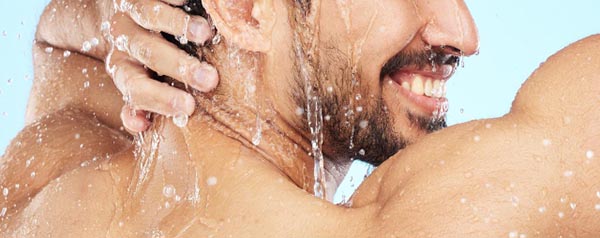
Shaving after a shower produces a superior shave for most men. Hot water and steam soften beard hair, open pores, and hydrate the skin, making it significantly easier for a razor blade to glide cleanly across the face. However, shaving before a shower has specific use cases where it performs better. Understanding both sides helps you make the right call for your skin type and schedule.
Why Shaving After a Shower Is Better
1. Softened Facial Hair
Dry beard hair is tough. According to dermatological research, facial hair has a tensile strength comparable to copper wire of similar diameter. Hot shower water penetrates the hair shaft and swells it, reducing resistance against the blade. This means fewer passes, less irritation, and a closer cut.
2. Open Pores and Improved Blood Flow
Warm water increases circulation to the skin’s surface and helps pores dilate. Open pores allow the razor to cut hair closer to the follicle without dragging. This is why traditional barbershops apply a hot towel before any razor work — it mimics post-shower skin conditions.
3. Removal of Oils, Dirt, and Dead Skin Cells
Your face accumulates sebum, bacteria, and environmental debris overnight and throughout the day. Showering first cleanses the skin thoroughly, preventing razor drag caused by trapped particles and reducing the risk of post-shave breakouts or razor burn.
4. Better Shaving Cream and Gel Performance
Hydrated skin allows shaving cream, gel, or soap to lather more effectively and adhere properly. A well-formed lather creates a protective barrier between blade and skin, dramatically cutting down on nicks and cuts. On dry skin, this barrier is thin and inconsistent.
5. Reduced Ingrown Hairs
Softened hair follicles after a shower are less likely to curl back into the skin after being cut. For men prone to ingrown hairs or razor bumps — especially those with coarse, curly hair — post-shower shaving is a practical preventive strategy.
When Shaving Before a Shower Makes Sense
Despite the advantages of shaving after, pre-shower shaving has legitimate advantages in specific situations.
Using Electric Razors: Electric shavers — both foil and rotary — perform better on dry hair. Moisture can clog the mechanism and reduce cutting efficiency. If you use an electric razor, shave before stepping in.
Sensitive or Acne-Prone Skin: For men with active breakouts, showering first can sometimes over-hydrate inflamed skin, making it puffy and harder to shave precisely. A dry shave before showering, followed by rinsing post-shave, may reduce further irritation.
Speed and Convenience: Pre-shower shaving takes less total time in a morning routine. You shave, then shower to rinse away all residue — shaving cream, loose hairs, and skin flakes — in one step.
Cold Water Shaving: Some men prefer cold water shaving to tighten pores and reduce bleeding from nicks. In this case, post-shower timing is less critical since the skin temperature benefit is intentionally bypassed.
How to Get the Best Shave After a Shower
To maximize the post-shower shave advantage, follow this sequence:
- Shower with warm-to-hot water for at least 5 minutes, allowing steam and heat to fully hydrate the face.
- Don’t dry your face completely — leave slight moisture on the skin before applying shaving cream.
- Apply a quality shaving lubricant — a shaving cream, gel, or traditional soap-based lather works best on hydrated skin.
- Shave with the grain first, then across the grain for a closer finish if needed.
- Rinse with cold water after shaving to close pores and reduce inflammation.
- Apply an alcohol-free aftershave balm to soothe and protect the skin barrier.
Skin Type Considerations
Oily Skin: Post-shower shaving is ideal. Cleansing first removes excess sebum that would otherwise gum up your blade.
Dry Skin: Shower shaving is still preferable, but use a moisturizing shaving cream and follow up with a hydrating balm immediately after.
Combination Skin: Standard post-shower shaving works well. Focus moisturizer on dry zones post-shave.
Sensitive Skin: Warm (not hot) showers followed by a single-pass shave with a sharp, single-blade razor minimizes trauma.
Coarse or Thick Beard Hair: Always shave after showering. The softening effect is most impactful for dense beard growth.
Does Showering After Shaving Cause Problems?
A common question is whether showering after shaving irritates freshly shaved skin. The answer depends on water temperature and products used.
Showering immediately after shaving with very hot water can increase redness and sensitivity in freshly shaved skin. If your routine requires showering post-shave, use lukewarm water, avoid applying body wash or harsh cleansers directly to the face, and pat dry gently rather than rubbing.
Razor Care and the Shower Connection
Leaving your razor in the shower exposes it to continuous moisture, which accelerates blade oxidation and dulling. Store razors outside the shower in a dry, well-ventilated area between uses. Rinse thoroughly after each shave, shake off excess water, and allow air drying to extend blade life significantly.
Frequently Asked Questions
Should I shave before or after shower for a closer shave? After the shower. Warm water and steam soften beard hair, reducing resistance against the blade and enabling a closer, more comfortable cut.
Is it bad to shave in the shower? No — shaving in the shower is effective and convenient. The ongoing steam and warm water keep the skin soft. Use a fog-free mirror and a razor designed for wet shaving.
Can I shave with just water and no cream? Technically yes, but it significantly increases the risk of razor burn, nicks, and skin irritation. A shaving lubricant is always recommended, especially on post-shower hydrated skin.
Does shaving before a shower cause ingrown hairs? Pre-shower shaving on dry skin can increase ingrown hair risk, particularly for men with coarse or curly beard hair. Post-shower shaving reduces this risk by softening the follicle before cutting.
How long should I shower before shaving? A minimum of 3 to 5 minutes of warm water exposure is sufficient to adequately soften facial hair and open pores for a quality shave.
Is it okay to shave every day after a shower? Daily post-shower shaving is safe for most men when using a sharp blade and proper lubricant. Men with sensitive skin may benefit from shaving every other day to allow skin recovery between sessions.
Does water temperature matter when shaving after a shower? Yes. Warm to hot water is optimal for pre-shave preparation. Cold water is used after shaving to close pores. Avoid extremely hot water as it can strip natural skin oils and increase post-shave sensitivity.
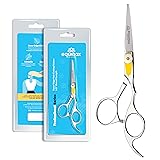
- Design Excellence. Crafted from the finest Japanese stainless steel, Equinox Hair Scissors feature precisely tempered blades and hand-sharpened razor-cutting edges for the perfect snip.
- Ergonomic Comfort. Designed with a curved finger rest and comfortable finger holes, our professional hair cutting scissors are a dream for hair salon workers, barbers, and home stylists alike.
- Versatile Precision. Measuring 6.5 inches in overall length with 2.55-inch blades, our hair shears are designed for safety and ease of use on everyone–men, women, elderly, kids, and even babies.