All products are selected by our Beard Stylish editors. If you buy something through our links as an Amazon Associate we earn from qualifying purchases.
Whether you’re taming a wild full beard or keeping a short stubble razor-sharp, the right styling comb can be the single most impactful tool in your grooming arsenal. Not all beard combs are created equal — and choosing the wrong one can lead to split ends, frizz, and frustration.
Beard grooming has evolved significantly over the last decade. A well-groomed beard signals confidence, care, and attention to personal presentation. Yet many men invest in premium beard oils and balms while neglecting the very instrument that distributes those products and shapes their style — the beard styling comb. This comprehensive guide covers everything you need to know about selecting, using, and maintaining styling combs for beards, so your facial hair always looks intentional, healthy, and well-defined.
Quick Answer — What Is a Beard Styling Comb?
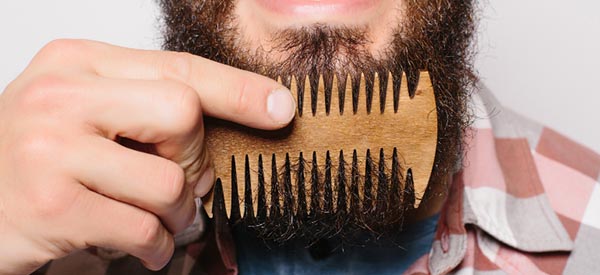
A beard styling comb is a grooming tool designed specifically for detangling, shaping, and styling facial hair. Unlike standard hair combs, beard combs typically feature both wide-tooth and fine-tooth sections, are made from materials that minimise static (such as wood or cellulose acetate), and are sized to navigate the contours of the jaw and chin with precision.
Why Using the Right Beard Comb Matters
Before diving into comb types, it’s worth understanding why tool choice genuinely matters. Beard hair tends to be coarser, curlier, and more porous than scalp hair. This means it’s more susceptible to breakage, static, and product build-up when handled incorrectly.
3×Coarser than scalp hair on average
47%Of men report beard itch from poor grooming
2 minDaily comb time for noticeable improvement
Using the wrong comb — particularly cheap plastic combs with seamed teeth — creates micro-tears along the hair shaft, leading to split ends and a frizzy, unkempt appearance. A proper beard styling comb distributes natural oils evenly, trains hair growth direction, and helps define the beard’s shape and outline.
Types of Beard Styling Combs
Understanding the different types of beard combs available helps you match the right tool to your beard length, texture, and styling goals.
?
Wide-tooth comb
Best for thick, curly, or longer beards. Glides through tangles without pulling and is ideal for applying beard balm or oil.
?
Fine-tooth comb
Excellent for short or medium beards. Ideal for precision styling, defining lines, and smoothing the beard flat before trimming.
⚙️
Dual-sided comb
Combines both wide and fine teeth. The most versatile option — start with the wide side, finish with the fine side for a polished look.
?
Pocket/travel comb
Compact and portable. Great for mid-day touch-ups and on-the-go styling without sacrificing quality.
?
Mustache comb
Narrow and fine-toothed, specifically designed for grooming the mustache area with pinpoint accuracy.
?
Pick/afro comb
For very thick, coily, or textured beards. Lifts hair at the root to add volume and separate curls without disrupting natural pattern.
Beard Comb Materials: What to Choose and Why
The material a beard comb is made from dramatically affects its performance, durability, and impact on hair health. Here’s a breakdown of the most common options:
| Material | Static | Durability | Best For |
|---|---|---|---|
| Sandalwood | Very Low | High | All beard types; adds subtle fragrance |
| Cellulose acetate | Low | Very High | Sensitive skin; handcut teeth are snag-free |
| Horn/bone | Low | High | Traditional grooming; premium feel |
| Metal (stainless) | Medium | Very High | Barber-style styling; beard straightening |
| Plastic (cheap) | High | Low | Not recommended — causes breakage |
For most men, a handmade wooden comb — particularly sandalwood or pearwood — is the gold standard. The natural wood is porous enough to absorb a small amount of beard oil, which it then redistributes with each stroke. Cellulose acetate combs are the professional barber’s choice because they are hand-cut and polished to eliminate the molding seams that cause snagging in mass-produced plastic combs.
Pro Tip
Run your finger along the teeth of any new comb before using it on your beard. If you feel any rough edges, ridges, or seams, sand them down with 400-grit sandpaper or choose a different comb. Rough teeth are the number one cause of beard hair breakage.
How to Use a Beard Styling Comb Correctly
Owning a quality beard comb is only half the equation. Proper technique ensures you’re getting the most from your tool while protecting beard health.
- Start with a clean, slightly damp beardCombing dry, unwashed beard hair increases breakage risk. After washing, pat dry with a microfibre towel and leave slightly damp before combing — hair is more pliable and cooperative at this stage.
- Apply your beard oil or balm firstWork a few drops of beard oil between your palms and distribute through the beard before reaching for your comb. The comb will then evenly spread the product to every strand, including those underneath the surface.
- Begin with the wide-tooth sideIf using a dual-sided comb, start with the wide teeth to work through any knots. Begin at the ends of the beard and work upward toward the face — this detangling method minimises hair loss and pain.
- Comb downward to train directionOnce detangled, switch to long downward strokes to train the beard to grow in your preferred direction. Consistent daily combing gradually trains even naturally curly beard hair to lie flatter and more uniformly.
- Finish with the fine-tooth side for definitionSwitch to the fine-tooth section to smooth the surface and define the beard’s shape. Use this side to style your mustache and neaten the cheek lines before any trimming.
- Clean your comb after each useRemove trapped hair from the teeth, wipe with a damp cloth, and allow wooden combs to air dry. Never soak wooden combs in water — this warps the wood and loosens the teeth over time.
Beard Comb vs Beard Brush: Which Do You Need?
A frequent question in the beard grooming community is whether to choose a comb or a brush — and the honest answer is that both serve different, complementary purposes.
A beard styling comb is best for detangling, precise styling, distributing liquid products like oils, and training hair direction. Its teeth reach all the way to the skin, making it effective for longer beards where a brush can’t penetrate the full depth of growth.
A boar bristle beard brush, on the other hand, excels at exfoliating the skin beneath the beard, distributing sebum from the root outward, and smoothing the surface layer for a polished finish. It works best on medium to long beards after the comb has already detangled the hair.
For the most comprehensive beard care routine, use both: comb first to detangle and distribute product, then follow with a brush for surface smoothing and skin stimulation.
Expert Insight
Professional barbers typically comb before trimming to ensure hair is uniform, and brush after styling to lay down any fly-aways. Mirroring this sequence at home gives your beard a consistently clean, barbershop finish.
Choosing a Beard Comb by Beard Length
Short beards (stubble to 1 inch)
A fine-tooth comb or a compact dual-sided pocket comb is ideal. Focus on neat lines and definition. At this length, a comb is primarily used to guide trimmer lines and keep the mustache tidy rather than for detangling.
Medium beards (1–3 inches)
The dual-sided beard comb earns its keep here. Wide teeth handle any overnight tangles, and fine teeth polish the style. Beard balm is your best friend at this length — use the comb to work it through evenly for all-day hold and shaping.
Long beards (3 inches and beyond)
Invest in a full-size wide-tooth wooden comb. Detangling becomes a daily necessity at this length, particularly on waking. Use slow, deliberate strokes — never yank through knots. A beard conditioner used 2–3 times per week will significantly reduce comb drag and breakage at longer lengths.
Caring for Your Beard Comb
A quality beard comb, properly maintained, can last years. For wooden combs, apply a small drop of mineral oil or beard oil to the teeth every month to prevent drying and cracking. Store away from humid environments such as direct shower proximity — humidity causes wood to swell and teeth to loosen. Acetate combs can be rinsed gently with warm soapy water and dried with a cloth. Metal combs are the most low-maintenance — a wipe down after each use is sufficient.
Inspect your comb’s teeth periodically. Teeth that have widened gaps, chips, or uneven spacing should prompt a replacement — a damaged comb will catch and break hair rather than gliding through it cleanly.
Frequently Asked Questions
How often should I comb my beard?
For most men, combing once or twice daily is ideal — once in the morning after your grooming routine and optionally once at night before bed. Over-combing can strip natural oils and cause unnecessary mechanical stress on hair follicles. Consistency matters more than frequency.
Can I use a regular hair comb on my beard?
Technically yes, but it’s not recommended. Regular hair combs are made for finer scalp hair and are often constructed from lower-grade plastic with seamed teeth. Beard hair is significantly coarser and requires a comb designed to handle that texture without snagging. Investing in a dedicated beard comb is one of the easiest grooming upgrades you can make.
What is the best material for a beard comb?
Sandalwood and cellulose acetate are widely considered the best materials for beard combs. Sandalwood combs are anti-static, naturally fragrant, and gentle on both hair and skin. Cellulose acetate combs — when hand-cut and polished — feature perfectly smooth teeth that glide through even coarse beard hair without causing breakage. Both materials are far superior to mass-produced plastic alternatives.
Should I comb my beard wet or dry?
Slightly damp is optimal — not soaking wet, not bone dry. Completely wet beard hair is at its most vulnerable and prone to snapping under tension. Completely dry beard hair, especially coarser hair, generates significant static and can be difficult to style. Combing on a slightly damp beard after applying beard oil offers the best combination of manageability and protection.
Will combing my beard make it grow faster?
Combing doesn’t directly accelerate beard growth, but it does promote healthier growth conditions. Regular combing stimulates blood circulation in the skin beneath the beard, which supports follicle health. It also prevents ingrown hairs, reduces beard itch caused by dry skin, and distributes sebum and applied products evenly — all of which contribute to a healthier, denser-looking beard over time.
How do I stop my beard from being frizzy after combing?
Frizz after combing is almost always a sign of either a low-quality comb (generating static) or insufficient moisture in the beard. Switch to an anti-static wooden or acetate comb, and apply a quality beard oil or balm before combing. For very coarse or curly beards, a leave-in beard conditioner used a few times weekly will dramatically reduce frizz and improve combability.
Is a beard comb better than a beard brush?
Neither is universally better — they do different jobs. A beard comb is superior for detangling, distributing liquid products, and styling longer beards. A beard brush is better for surface smoothing, skin exfoliation, and applying beard balm evenly to shorter beards. For the best results, use both as part of a complete beard grooming routine.
Elevate Your Grooming Routine
A quality beard styling comb is one of the most affordable yet transformative investments you can make in your grooming routine. From choosing the right material and tooth configuration to mastering proper technique and maintenance, every detail compounds into noticeably healthier, better-styled facial hair.
The key takeaway: match your comb to your beard length and texture, always apply beard oil first, and invest in a hand-finished wooden or acetate comb over cheap plastic alternatives. Your beard — and the people who see it — will notice the difference.
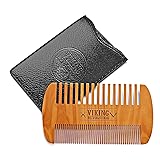
- Find Out What You’re Missing – Find out for yourself, why others are saying this is the best comb they’ve ever come across! This dual sided comb gives the best grooming experience with both its fine and coarse teeth. No static or pulls and great for taking out knots
- Make Her Fall In Love All Over Again – Look and feel your best with a well-groomed beard. She’ll be sure to notice who the king of the jungle is. Works great for any type of beard, long, short, thick or thin.
- Command Attention When You Walk Into The Room – Look and feel like a million bucks! A well-groomed beard will give you the confidence to conquer the world. Comes with a case that makes it easy to carry around without the risk of damaging.