All products are selected by our Beard Stylish editors. If you buy something through our links as an Amazon Associate we earn from qualifying purchases.
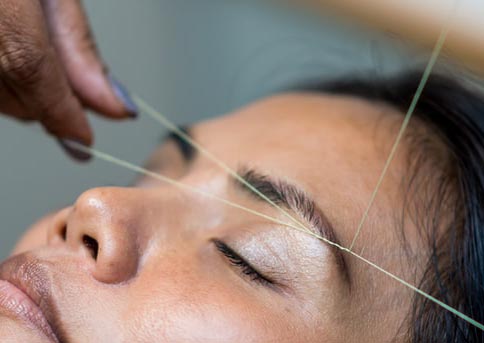
Threading is an ancient hair removal technique originating in South Asia and the Middle East, now widely practiced in salons and threading studios worldwide. The method uses a doubled, twisted cotton thread rolled across the skin to trap and pull hair directly from the follicle. Unlike waxing or shaving, threading removes hair at the root without relying on chemicals or heat, making it one of the most precise and natural methods available for facial hair removal.
This technique is most commonly applied to eyebrows, upper lip, chin, cheeks, and sideburns. For anyone researching facial hair threading pros and cons before booking an appointment, here is a complete, experience-backed breakdown.
Threading Facial Hair: The Pros
1. Exceptional Precision for Shaping
Threading offers a level of precision that waxing and tweezing cannot match at scale. A skilled threading technician can remove individual hairs or entire rows with a single fluid motion, making it the gold standard for eyebrow shaping and defining clean facial lines. This precision is especially valued for achieving sharp arches, symmetrical brows, and clean upper lip lines.
2. Suitable for Sensitive and Acne-Prone Skin
One of the most significant threading benefits is its compatibility with sensitive skin types. Because the process involves no chemicals, no adhesives, and no heat, it eliminates the risk of chemical burns, allergic reactions to wax resins, or inflammation triggered by hot wax. Dermatologists frequently recommend threading for individuals using retinoids, AHAs, or other exfoliating actives that make skin more prone to waxing injuries.
3. Results Last Two to Four Weeks
Threading removes hair from the root, meaning regrowth timelines are comparable to waxing — typically lasting two to four weeks depending on individual hair growth cycles. Over time, repeated threading can cause follicle damage that progressively weakens regrowth, resulting in finer, sparser hair with consistent use.
4. No Risk of Skin Lifting or Chemical Sensitivity
Waxing carries a documented risk of skin lifting — where the top layer of skin is removed along with the wax — particularly for those on prescription retinoids, blood thinners, or with compromised skin integrity. Threading completely eliminates this risk. There are no adhesives contacting the skin, which also makes it safe for those with known wax allergies.
5. Quick Procedure with Minimal Downtime
A full eyebrow threading session typically takes five to ten minutes. Upper lip threading is completed in under two minutes. Post-procedure redness generally subsides within twenty to thirty minutes, making it a practical option before events or during a lunch break.
6. Hygienic and Low-Waste
A fresh thread is used per client, reducing cross-contamination risks associated with double-dipping wax applicators. The process generates minimal waste and uses no single-use plastic applicators or chemical products.
Threading Facial Hair: The Cons
1. Pain Level Can Be Significant
Threading is not painless. The sensation is often described as a rapid, snapping pull across the skin. Pain tolerance varies, but the upper lip and chin — areas dense with nerve endings — tend to be the most uncomfortable zones. First-time clients frequently report more discomfort than with waxing, though sensitivity often decreases with repeated sessions.
2. Skill-Dependent Results
The quality of threading results is entirely dependent on the technician’s expertise. Unlike laser or electrolysis, there is no standardized certification for threading in most regions. An inexperienced practitioner can cause uneven shaping, excessive skin irritation, broken hairs rather than root removal, or folliculitis from incorrect technique. Researching a technician’s credentials and portfolio before booking is essential.
3. Not Ideal for Large Treatment Areas
Threading is practical for small, defined facial zones. It is not a viable method for removing hair from the legs, arms, back, or chest. The time required and the nature of the technique limit its application to facial and small body areas only.
4. Potential for Post-Treatment Breakouts
In individuals with acne-prone skin, threading can occasionally trigger breakouts along treated areas. The mechanical pulling action can introduce bacteria from the skin’s surface into open follicles, or cause follicular trauma that mimics an acne response. Applying a clean, non-comedogenic toner immediately post-treatment reduces this risk.
5. Difficult to Self-Administer
Unlike tweezing, threading is virtually impossible to perform on oneself without extensive practice. Waxing kits and epilators are widely available for home use, but threading genuinely requires professional skill or a steep learning curve, creating ongoing cost and appointment dependency.
Threading vs. Waxing vs. Tweezing: Quick Comparison
| Factor | Threading | Waxing | Tweezing |
|---|---|---|---|
| Precision | Excellent | Moderate | High (slow) |
| Skin sensitivity | Very safe | Risk of lifting | Safe |
| Pain level | Moderate–High | Moderate | Low–Moderate |
| Duration of results | 2–4 weeks | 2–4 weeks | 1–3 weeks |
| Chemical exposure | None | Yes | None |
| Suitable for large areas | No | Yes | No |
Who Should Consider Threading?
Threading is most appropriate for individuals who: have sensitive or reactive skin that responds poorly to wax; are currently using prescription skincare that contraindicate waxing; prioritize high-precision shaping for brows or lips; prefer chemical-free beauty treatments; or have fine to medium facial hair they want removed cleanly at the root.
It is less suitable for those with a very low pain threshold, a preference for at-home hair removal, or hair removal needs that extend beyond the face.
Frequently Asked Questions
Does threading cause skin sagging over time? No clinical evidence supports the claim that threading causes skin sagging. The pulling force applied during threading is minimal and localized to the hair follicle. The myth likely originates from general concerns about repetitive skin manipulation, but professional threading does not involve the sustained, directional pulling that contributes to loss of skin elasticity.
How often should you get facial hair threaded? Most clients return every two to four weeks. Consistency is important — maintaining a regular schedule weakens the follicle progressively and results in finer regrowth over time.
Can threading cause ingrown hairs? Yes, though less commonly than shaving. Ingrown hairs can occur if the hair breaks during threading rather than being removed at the root. A skilled technician minimizes breakage. Gentle exfoliation between sessions reduces ingrown hair risk.
Is threading safe during pregnancy? Threading is generally considered safe during pregnancy since it uses no chemicals or heat. However, skin sensitivity increases during pregnancy, which can make the procedure more uncomfortable. Consulting a healthcare provider before any cosmetic treatment during pregnancy is advisable.
How do I reduce redness after threading? Apply a clean, fragrance-free aloe vera gel or a calming toner with niacinamide or centella immediately after the session. Avoid makeup on threaded areas for at least two to four hours. Keep hands away from the treated skin to prevent bacterial transfer.
Does threading permanently reduce hair growth? Threading is not a permanent hair removal method. However, consistent long-term threading gradually damages the hair follicle, resulting in progressively finer, slower-growing regrowth. This is a reduction in density and coarseness, not permanent removal — which requires laser or electrolysis treatments.

- Traditional Method: Use a physical pull face device to remove your facial hair, a safe and fast way to remove facial hair, and keep away from irritation and allergies
- Safe And Gentle on All Skin Types: Painless hair removal, without any chemical drugs, wax, or knife used, no irritation to your skin
- Fashion Headbands: An extra headband as a present, use it with facial hair remover can prevent involving your hair, and it will be more safe and convenient