All products are selected by our Beard Stylish editors. If you buy something through our links as an Amazon Associate we earn from qualifying purchases.
A well-trimmed beard signals confidence, discipline, and style. Whether you’re maintaining a five o’clock shadow or sculpting a full beard, mastering the right trimming methods separates a polished look from a patchy mess. This guide covers every proven technique for trimming beard facial hair at home or in the barbershop, with step-by-step instructions, tool breakdowns, and expert-level advice.
Why Proper Beard Trimming Technique Matters
Inconsistent trimming is the leading cause of uneven beard growth, split ends, and premature patchiness. Learning correct beard grooming methods protects hair follicles, maintains skin health beneath the beard, and extends the time between barber visits. According to dermatologists, cutting beard hair with dull tools or against the grain without preparation increases the risk of ingrown hairs and folliculitis.
Tools You Need Before You Start
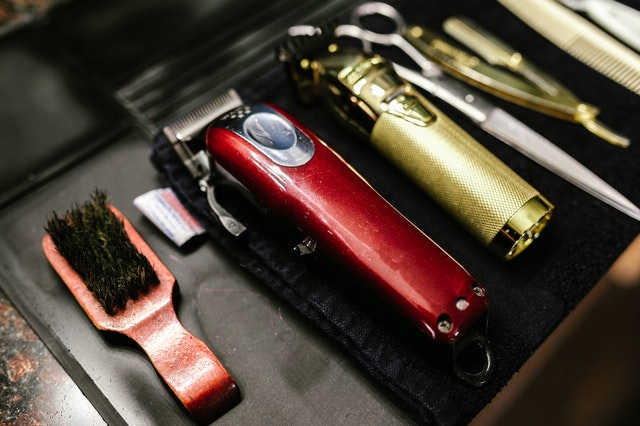
Before learning how to trim a beard, gather the right equipment:
- Electric beard trimmer with adjustable guard lengths
- Barber scissors or beard scissors (straight-blade, not household scissors)
- Fine-tooth beard comb and a boar bristle brush
- Razor or detail trimmer for neckline and cheek line definition
- Beard oil or pre-trim conditioner to soften coarse hair
- Hand mirror for checking all angles
Using professional-grade tools reduces trimming errors and produces cleaner lines on all beard styles, from stubble to full beards.
Method 1: Electric Trimmer Method (Most Common)
The electric trimmer method is the fastest and most forgiving approach for beard maintenance, especially for men managing medium-length or short beards.
Step-by-step process:
- Wash and dry your beard completely. Wet hair appears longer and leads to over-trimming.
- Comb the beard in the direction of growth to detangle and reveal true length.
- Attach the appropriate guard. Start one size longer than your target length — you can always go shorter.
- Trim with the grain first (in the direction of hair growth) using slow, steady strokes from cheek to jawline.
- Trim against the grain for a tighter, more uniform finish on dense areas.
- Remove the guard and use the bare trimmer blade to define the neckline — two fingers above the Adam’s apple is the standard guideline.
- Shape the cheek line with a detail trimmer or razor for a clean upper boundary.
- Apply beard oil post-trim to reduce irritation and lock in moisture.
Best for: All beard lengths, maintenance trims, stubble management
Method 2: Scissors and Comb Method
The scissors-over-comb technique is the gold standard for barbers and produces the most natural, textured finish. It’s ideal for longer beards where bulk reduction and blending are priorities.
Step-by-step process:
- Comb a section of beard upward against the growth direction so hair stands away from the face.
- Hold the comb flat against the face at your desired length.
- Snip the hair that extends beyond the comb teeth using beard scissors in short, controlled cuts.
- Work section by section — moustache area, chin, cheeks, and sideburns separately.
- Check symmetry frequently by combing the beard flat and stepping back from the mirror.
- Blend the transitions between different length zones using point-cutting (angling scissors diagonally into the hair rather than cutting straight across).
Best for: Long beards, natural-looking shape, blending beard into moustache
Method 3: Razor-Only Stubble Shaping
For men maintaining a short stubble beard between 0.5mm and 3mm, a combination of a trimmer set to the lowest guard and a safety razor or cartridge razor delivers the sharpest results.
- Run the trimmer with no guard or a 1–2mm guard across the entire beard to establish uniform length.
- Use a razor to clean the neckline, cheekbones, and any stray hairs above the beard line.
- Fade the edges by briefly running the trimmer without a guard along the outer edges to soften the boundary between beard and clean-shaven skin.
Best for: Stubble maintenance, sharp defined lines, fast daily grooming routines
How to Define the Neckline and Cheek Line
The neckline and cheek line are the two most common grooming mistakes men make.
Neckline: Draw an imaginary curved line from ear to ear, arching above the Adam’s apple. Everything below that line should be shaved clean. A too-high neckline creates the illusion of a double chin. A too-low neckline looks unkempt.
Cheek line: For a natural look, let the cheek line follow the natural hair growth boundary. For a sharper style, use a straight razor to carve a defined upper border. Avoid going too low on the cheeks — this reduces the beard’s visual volume.
Common Beard Trimming Mistakes to Avoid
- Trimming wet hair: Always trim dry — wet hair shrinks back and causes over-trimming
- Skipping symmetry checks: Use two mirrors or a phone camera to compare both sides
- Using the wrong guard length: Start longer and work down gradually
- Neglecting the moustache: Trim the upper lip hair so it doesn’t cover the lip line
- Forgetting beard care post-trim: Apply beard balm or beard oil to prevent dryness and breakage
How Often Should You Trim Your Beard?
Beard trimming frequency depends on style and growth rate. On average:
- Stubble (1–5mm): Every 2–3 days
- Short beard (5–20mm): Every 1–2 weeks
- Medium beard (20–50mm): Every 2–3 weeks
- Long or full beard: Every 3–4 weeks for shaping; neckline maintenance weekly
Consistent trimming — even light maintenance — prevents split ends, retains shape, and promotes healthier-looking growth.
Beard Care Between Trims
Trimming is only part of a complete beard grooming routine. Between sessions:
- Brush daily with a boar bristle brush to train growth direction and distribute natural oils
- Apply beard oil every morning to moisturise skin and soften coarse hair
- Use beard balm for hold and frizz control on longer styles
- Exfoliate the skin beneath the beard weekly to prevent ingrown hairs and beardruff (beard dandruff)
Frequently Asked Questions
What is the best method to trim a beard at home? The electric trimmer method is best for most men at home. It’s fast, adjustable, and forgiving. Use the scissors-and-comb method if you have a long beard and want a natural finish.
Should I trim my beard wet or dry? Always trim your beard dry. Wet hair appears longer than it is, so trimming wet leads to cutting off more length than intended. Wash and fully dry before trimming.
How do I trim a beard without losing length? Use a guard one setting higher than your usual length. Trim lightly with the grain only, and check frequently. Avoid trimming against the grain if length preservation is the goal.
What guard length should I use for a short beard? For a short beard (approximately 5–10mm), a 3–4 guard is standard. For stubble, a 1–2 guard produces a close, defined result.
How do I fix an uneven beard after trimming? Comb the beard flat and identify which side is shorter. Trim the longer side down to match. If the difference is significant, trim the entire beard down to the shorter side’s length for a clean reset.
Is it better to use scissors or a trimmer for beard trimming? Trimmers are faster and better for uniform length maintenance. Scissors offer more precision for shaping, blending, and working on long or textured beards. Most experienced groomers use both in combination.
How do I define my beard neckline? Place two fingers horizontally above your Adam’s apple — that marks the base of your neckline. Shave everything below that point in a U-shaped curve from ear to ear. Use a detail trimmer or straight razor for a clean edge.

- 13 attachments for all of your grooming needs: Full size steel trimmer, a steel precision trimmer, a nose and ear hair trimmer, 3 hair trimming guards, 3 beard trimming guards, a stubble guard, an accessory travel storage bag, and a cleaning brush. Unlike competition, no oil needed to maintain high quality performance Blades and Guards are easy to detach and rinse
- Maximum precision with DualCut technology, which includes 2x more self-sharpening blades. The steel blades sharpen themselves as they work, resulting in blades that remain as sharp as day 1 after 2 years of use.
- Unlike competition, no oil needed to maintain high quality performance. Automatic voltage: 100-240 V