All products are selected by our Beard Stylish editors. If you buy something through our links as an Amazon Associate we earn from qualifying purchases.
Facial hair waxing is a semi-permanent hair removal method that pulls hair from the follicle, leaving skin smooth for two to six weeks. Unlike shaving, which cuts hair at the skin’s surface, waxing removes the entire hair shaft, which means regrowth comes back finer and softer over time.
People choose facial waxing for several reasons: it’s cost-effective compared to laser treatments, it works on almost all skin tones and hair colors, and results last significantly longer than daily shaving or depilatory creams. Common facial areas treated with wax include the upper lip, chin, cheeks, sideburns, eyebrows, and the entire face in treatments like dermaplaning alternatives.
Types of Wax Used for Facial Hair Removal
Choosing the right wax is critical for safe facial hair removal, since facial skin is more sensitive than body skin.
Hard Wax (Hot Wax) Hard wax is the gold standard for facial hair removal. It’s applied warm, allowed to cool and harden directly on the skin, then removed without a strip. Because it grips the hair rather than the skin, hard wax causes significantly less irritation, making it ideal for the upper lip, chin, and eyebrows.
Soft Wax (Strip Wax) Soft wax is applied in a thin layer and removed using a muslin or paper strip. It’s effective for larger areas like the cheeks and sideburns but can cause more redness and is not recommended for those with sensitive or thin skin.
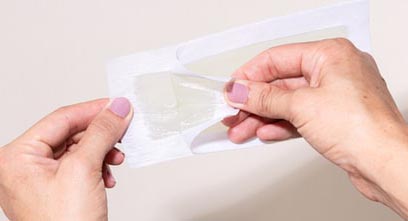
Cold Wax Strips Pre-made cold wax strips are convenient and beginner-friendly. They’re less messy and require no heating equipment, but they’re generally less effective at removing short or fine hairs compared to warm wax options.
How to Remove Facial Hair with Wax: Step-by-Step
Following the correct technique minimises pain, reduces skin reactions, and delivers cleaner results.
1. Grow Hair to the Right Length Hair must be at least 6mm (¼ inch) long for wax to grip properly. Too short and the wax won’t adhere; too long and removal becomes more painful. Avoid waxing if you’ve recently shaved.
2. Cleanse and Dry the Skin Wash the face with a gentle cleanser to remove oils, makeup, and skincare products. Pat completely dry. Any moisture on the skin reduces wax adhesion.
3. Apply Pre-Wax Oil or Powder A light dusting of pre-wax powder or a thin layer of pre-wax oil creates a barrier between the wax and skin, reducing the risk of lifting or irritation, particularly for sensitive facial skin.
4. Test Wax Temperature Always test wax temperature on the inner wrist before applying to the face. Wax should feel warm, never hot. Overheated wax can cause burns.
5. Apply Wax in the Direction of Hair Growth Using a wooden spatula, apply wax in small sections, always following the natural direction of hair growth. For the upper lip, work from the corners toward the centre.
6. Remove Against the Direction of Hair Growth Hold the skin taut with one hand. With the other, remove the wax strip or hardened wax in a fast, firm motion parallel to the skin — never upward. Pulling at an angle increases the chance of broken hairs and skin trauma.
7. Soothe Immediately Apply gentle pressure with clean fingers after removal. Follow with a soothing post-wax product containing aloe vera, chamomile, or tea tree oil to calm the skin and reduce redness.
Facial Skin Prep: What to Avoid Before Waxing
Certain products and activities increase skin sensitivity and should be avoided for at least 24–48 hours before waxing:
- Retinol and retinoids (stop use 5–7 days prior)
- AHAs and BHAs (glycolic acid, salicylic acid)
- Vitamin C serums
- Benzoyl peroxide
- Sun exposure or tanning
- Microdermabrasion or chemical peels
- Blood-thinning medications (consult a doctor)
Those using isotretinoin (Accutane) should avoid waxing entirely, as the medication significantly thins the skin and dramatically increases the risk of tearing.
Aftercare for Waxed Facial Skin
Proper aftercare determines how well skin recovers and how long results last.
For the first 24 hours after waxing: avoid heat (saunas, hot showers, steam rooms), direct sun exposure, heavy makeup, and active skincare ingredients. Keep the skin clean and apply a fragrance-free, soothing moisturiser.
From day two onward, begin gentle exfoliation two to three times per week to prevent ingrown hairs — a common side effect of facial waxing, particularly on the chin and upper lip. Use a soft facial exfoliant or a clean washcloth in light circular motions.
Consistent waxing every four to six weeks causes hair follicles to weaken over time, resulting in finer, sparser regrowth and potentially less discomfort with each session.
Potential Side Effects and How to Manage Them
Redness and Swelling: Normal and typically subsides within a few hours. Apply a cold compress and aloe vera gel.
Ingrown Hairs: Prevented by regular exfoliation and keeping skin moisturised. Use a product with salicylic acid to treat existing ingrowns.
Broken Capillaries: More likely with repeated soft wax use. Switch to hard wax and ensure technique is correct.
Skin Lifting or Bruising: Usually caused by incorrect wax temperature, double-dipping in wax pots, or waxing over contraindicated skin conditions. Never wax over broken skin, active acne, sunburn, or eczema-affected areas.
Allergic Reactions: Patch test any new wax product 24 hours before full application, particularly if you have known sensitivities to rosin (colophony), a common wax ingredient.
At-Home vs. Professional Facial Waxing
At-Home Waxing offers convenience and cost savings. Quality hard wax kits are widely available and safe for beginners when instructions are followed carefully. The risk of user error is higher, making technique and product selection especially important.
Professional Waxing by a licensed esthetician reduces the risk of burns, skin lifting, and missed hairs. Professionals assess skin type, use appropriate wax formulas, and apply proper technique consistently. It’s the recommended approach for those with sensitive skin, first-timers, or anyone treating areas close to the eyes.
Frequently Asked Questions
How long does facial waxing last? Facial waxing typically lasts between two and six weeks, depending on individual hair growth cycles, the area treated, and how consistently you wax. Regular waxing over several months can extend results as follicles weaken.
Does waxing facial hair make it grow back thicker? No — this is a common myth. Unlike shaving, waxing removes hair from the root. Over time, regular waxing causes hair to grow back finer and more sparse, not coarser or denser.
Is waxing safe for sensitive facial skin? Yes, with the right approach. Hard wax is gentler on sensitive skin than soft wax. Avoiding active skincare ingredients before waxing, patch testing new products, and using quality post-wax soothing treatments minimises the risk of adverse reactions.
Can I wax over acne-prone skin? Waxing should not be performed over active acne breakouts, as it can spread bacteria, rupture pustules, and cause further inflammation. Wait until the breakout resolves. For acne-prone skin in general, discuss options with a dermatologist or licensed esthetician.
How often should I wax my face? Most people wax facial hair every four to six weeks. Waxing more frequently than every three weeks risks irritating skin that hasn’t fully recovered. Waiting until hair is at least 6mm long ensures effective results.
What’s the difference between facial wax and body wax? Facial waxes are formulated to be gentler and lower in irritants compared to body waxes. They often contain soothing ingredients like chamomile or azulene. Using a body wax on the face increases the risk of sensitivity reactions and skin damage.
Does facial waxing hurt? There is discomfort involved, particularly on sensitive areas like the upper lip. Pain tolerance varies between individuals. The sensation lessens with regular waxing as follicles weaken. Applying a numbing cream 20–30 minutes before waxing can help manage discomfort.

- Clear Styling Wax for Men: Clubman’s classic wax for styling and shaping men’s facial hair. This wax has a neutral color that is ideal for styling facial hair without changing its shade. Delivers enough firm hold for easy, simple daily grooming for men.
- Hair-Nourishing Ingredients: Formulated with Beeswax for providing hold while conditioning the hair leaving your it feeling soft and healthy. Also contains Lanolin and Coconut Oil for additional moisture and splashed with a classic masculine scent.
- Tames Unruly Facial Hairs: Helps keep mustache, sideburns, eyebrows, and upper lip hair moisturized while providing the style power you need. It easily shapes and molds your stache while providing a strong yet still flexible hold.